E-mail Us


Can a Crown Fix a Broken Front Tooth?
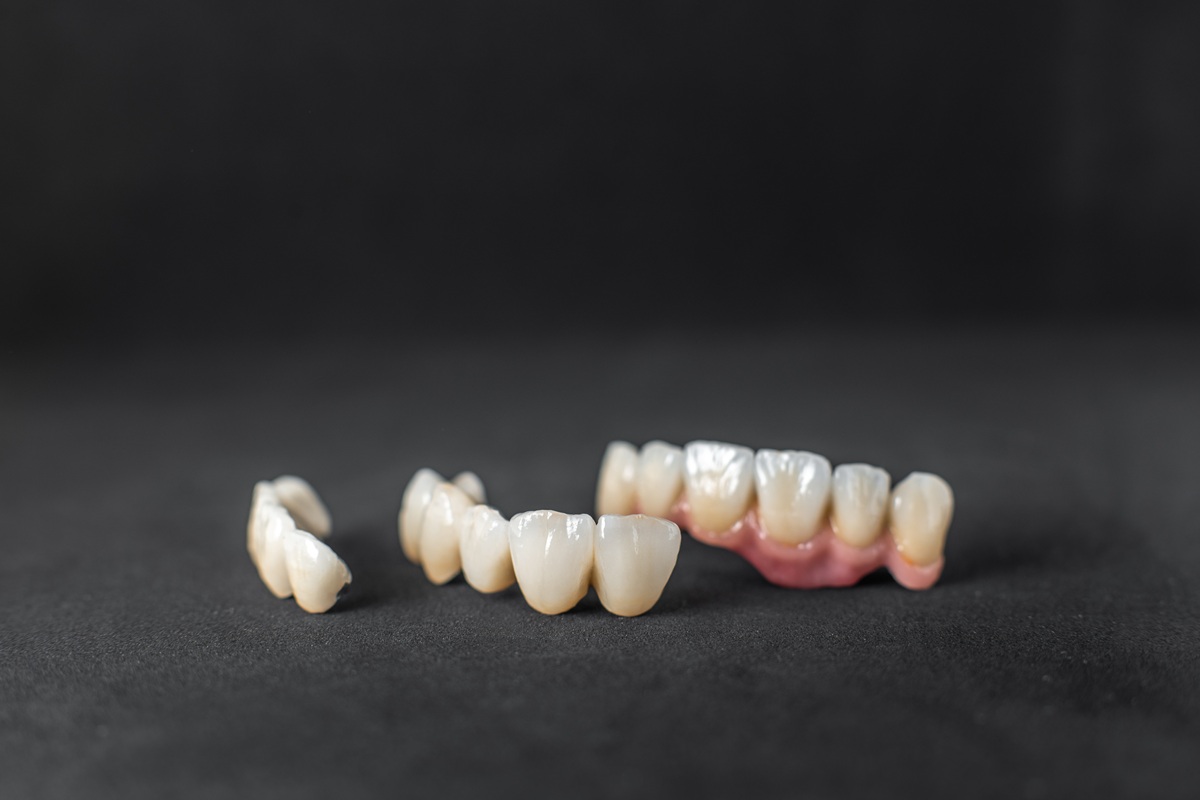
A broken front tooth can happen when you least expect it. Maybe you bit into something hard during lunch, took a fall while hiking near the San Gabriel Mountains, or experienced an accident during a weekend sports activity in Upland. No matter how it happens, the result is often the same — discomfort, embarrassment, and concern about your smile.
The good news is that in many cases, a dental crown can successfully restore a broken front tooth and make it look natural again. At Young Dental Health Center Upland, patients in Upland and nearby communities often choose crowns to rebuild damaged teeth while preserving their confident smile.
In this guide, we’ll explain how dental crowns work, when they are recommended, and what you can expect during treatment.
What Happens When a Front Tooth Breaks?
Front teeth are designed for biting and tearing food, but they are still vulnerable to damage. A tooth may chip, crack, or break because of:
- Sports injuries
- Car accidents
- Biting hard foods or ice
- Teeth grinding
- Untreated cavities
- Old fillings weakening the tooth
Even a small fracture can affect your appearance and oral health. Since front teeth are highly visible, many people in Upland seek treatment quickly to avoid feeling self-conscious in social or professional situations.
Ignoring the problem can make the damage worse over time. A cracked tooth may eventually become painful or infected if bacteria reach the inner tooth structure.
Can a Crown Repair a Broken Front Tooth?
Yes — in many situations, a dental crown is one of the most effective ways to restore a broken front tooth.
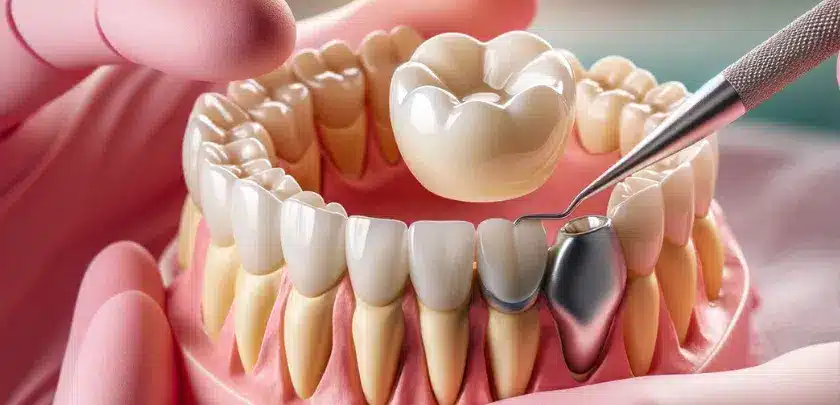
A crown is a custom-made cap that covers the damaged tooth completely. It restores:
- Shape
- Strength
- Function
- Appearance
Modern crowns are designed to match the color and texture of your natural teeth, making them especially popular for visible front teeth.
At Young Dental Health Center Upland, crowns are customized to blend naturally with your smile so most people will not notice you even had dental work done.
When Is a Crown Recommended?
Not every broken tooth requires a crown. Small chips may only need bonding or veneers. However, a crown is usually recommended when:
The Tooth Has Significant Damage
If a large portion of the tooth is broken, a crown provides better support and protection.
The Tooth Is Cracked
Cracks can spread over time. A crown helps hold the tooth together and prevent further damage.
The Tooth Is Weak
Teeth weakened by decay or previous dental work often benefit from full coverage.
A Root Canal Was Needed
After root canal treatment, a crown is commonly placed to strengthen the tooth.
Appearance Matters
Crowns improve both function and cosmetics, especially for front teeth.
What Types of Crowns Are Best for Front Teeth?
For front teeth, aesthetics are extremely important. The most commonly recommended options include:
Porcelain Crowns
Porcelain closely mimics natural enamel and offers excellent aesthetics.
Ceramic Crowns
Ceramic crowns are durable and blend beautifully with surrounding teeth.
Porcelain-Fused-to-Metal Crowns
These provide additional strength while maintaining a natural appearance.
Your dentist will recommend the best material based on your bite, smile goals, and oral health needs.
The Crown Procedure: What to Expect
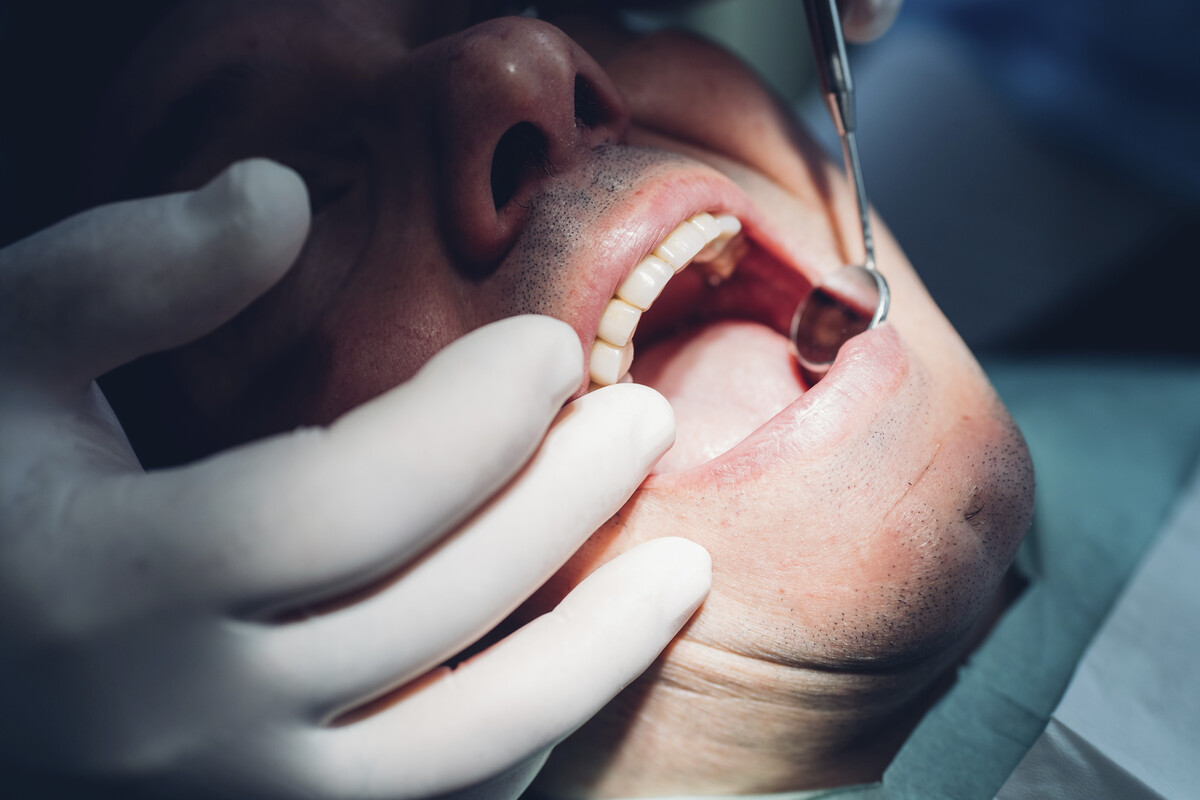
Many patients feel nervous about dental procedures, especially when the tooth is in a visible area. Fortunately, getting a crown is a straightforward process.
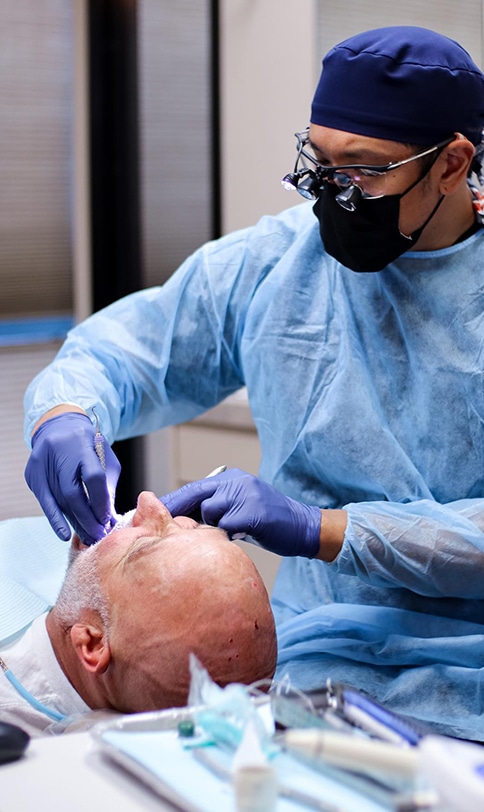
Step 1: Examination and Evaluation
Your dentist examines the tooth and takes digital X-rays to determine the extent of the damage.
Step 2: Tooth Preparation
A small amount of enamel is reshaped so the crown fits properly.
Step 3: Impressions
Digital or traditional impressions are taken to create a custom crown.
Step 4: Temporary Crown
A temporary crown protects your tooth while the permanent one is made.
Step 5: Final Placement
Once ready, the permanent crown is bonded securely in place.
The final result is designed to feel comfortable and look natural.
Does a Crown Look Natural?
This is one of the most common questions patients ask — especially when dealing with a front tooth.
Today’s dental crowns are highly advanced and customized to match:
- Tooth color
- Shape
- Size
- Light reflection
Most people will not be able to tell which tooth has the crown. Skilled cosmetic-focused dentistry makes a major difference in achieving natural-looking results.
How Long Do Front Tooth Crowns Last?
With proper care, crowns can last 10–15 years or even longer.
Their lifespan depends on factors like:
- Oral hygiene habits
- Teeth grinding
- Diet
- Regular dental visits
- Overall dental health
To protect your crown:
- Brush twice daily
- Floss carefully around the crown
- Avoid chewing ice
- Wear a nightguard if you grind your teeth
- Visit your dentist regularly
Patients in Upland who maintain consistent preventive care often enjoy long-lasting results from their crowns.
Are Crowns Better Than Bonding for Broken Teeth?
Both treatments have benefits, but the right choice depends on the severity of the damage.
Dental Bonding May Be Better For:
- Small chips
- Minor cosmetic flaws
- Quick repairs
Crowns May Be Better For:
- Large fractures
- Weak teeth
- Cracked teeth
- Long-term durability
Crowns generally provide greater strength and longevity compared to bonding.
Why Prompt Treatment Matters
Many people delay treatment because the tooth is not painful initially. However, untreated fractures can lead to:
- Infection
- Increased cracking
- Tooth sensitivity
- Gum irritation
- Tooth loss
Seeking treatment early can help save the tooth and reduce future dental expenses.
If you live in Upland or nearby communities, getting prompt dental care can prevent a minor issue from becoming a major problem.
Signs You Should See a Dentist Immediately
Schedule an appointment if you notice:
- Sharp pain when biting
- Sensitivity to hot or cold
- Swelling around the tooth
- Visible cracks
- Bleeding gums near the tooth
- Difficulty chewing
Even if the damage appears small, it’s important to have it evaluated professionally.
Restore Your Smile with Confidence
A broken front tooth can affect far more than your appearance. It can impact your comfort, confidence, and daily life. Fortunately, modern dental crowns provide a reliable and natural-looking solution for many patients.
If you are dealing with a chipped, cracked, or broken front tooth, the team at Young Dental Health Center Upland can help you explore the best treatment options for restoring your smile.
Scheduling an evaluation early may help protect your tooth, improve your appearance, and prevent future complications.
Frequently Asked Questions
Does getting a crown hurt?
The procedure is generally comfortable because local anesthesia is used during treatment.
Can a crown fix a completely broken front tooth?
If enough healthy tooth structure remains, a crown may restore the tooth. Severe damage may require additional treatment.
How much does a front tooth crown cost?
Costs vary depending on materials, insurance coverage, and treatment complexity.
Can crowns stain over time?
Porcelain and ceramic crowns resist stains better than natural teeth.
How long does the procedure take?
Most crowns require two visits, though some offices offer same-day crowns.
Is a crown permanent?
Crowns are long-lasting but may eventually need replacement after many years.