E-mail Us


Essential Dental Care Tips for Older Adults

A healthy smile is important at every stage of life, but as we grow older, oral health needs can change. Seniors often face challenges like dry mouth, gum disease, tooth sensitivity, worn enamel, and tooth loss. The good news is that with the right habits and regular dental care, you can protect your smile for years to come.
At Young Dental Health Center Upland, we believe every patient deserves comfortable, confident oral health—especially older adults in Upland and surrounding communities. Whether you’re enjoying retirement, spending time with grandchildren, or staying active in the local community, maintaining good oral health can help improve your overall quality of life.
Why Oral Health Matters More with Age
Many people are surprised to learn that oral health is closely connected to overall wellness. Gum disease has been linked to conditions such as heart disease, diabetes, and respiratory infections. Difficulty chewing can also affect nutrition, making it harder to enjoy healthy foods.
For older adults, routine dental care is about much more than appearance—it helps preserve comfort, confidence, and everyday function.
Common dental concerns among seniors include:
- Gum recession
- Tooth sensitivity
- Dry mouth caused by medications
- Tooth loss
- Denture discomfort
- Cavities around older fillings or crowns
- Oral infections
Fortunately, many of these issues are preventable with proper care.
1. Brush Twice Daily the Right Way
Brushing your teeth regularly remains one of the most effective ways to maintain oral health.
Helpful brushing tips for seniors:
- Use a soft-bristled toothbrush to avoid irritating sensitive gums
- Brush for at least two minutes twice a day
- Choose fluoride toothpaste to strengthen enamel
- Replace your toothbrush every 3–4 months
- Consider an electric toothbrush if arthritis or limited hand mobility makes brushing difficult
Plaque can build up quickly around the gumline, especially in older adults. Gentle but thorough brushing helps reduce the risk of gum disease and decay.
2. Don’t Skip Flossing
Many seniors focus on brushing but overlook flossing. However, flossing removes food particles and plaque between teeth where toothbrush bristles cannot reach.
If traditional floss feels difficult to manage, try:
- Floss picks
- Water flossers
- Interdental brushes
These tools can make daily oral care easier and more comfortable.
3. Watch for Signs of Gum Disease
Gum disease is one of the most common dental conditions among older adults. Early symptoms may seem mild, but untreated gum disease can eventually lead to tooth loss.
Signs to look for:
- Bleeding gums
- Persistent bad breath
- Red or swollen gums
- Loose teeth
- Gum tenderness
If you notice any of these symptoms, scheduling a dental visit promptly can help prevent more serious complications.
Residents in Upland often enjoy active lifestyles, community gatherings, and outdoor activities around local parks and neighborhoods. Healthy gums and teeth can make everyday social interactions far more enjoyable and comfortable.
4. Stay Hydrated to Prevent Dry Mouth
Dry mouth is a common issue for seniors, especially those taking medications for blood pressure, allergies, diabetes, or other health conditions.
A lack of saliva increases the risk of:
- Cavities
- Gum irritation
- Mouth sores
- Difficulty swallowing
Ways to reduce dry mouth:
- Drink water throughout the day
- Limit sugary beverages
- Chew sugar-free gum
- Avoid tobacco and alcohol
- Use alcohol-free mouthwash
Southern California’s warm climate can also contribute to dehydration, making hydration especially important for older adults in Upland.
5. Maintain a Tooth-Friendly Diet
Nutrition plays a major role in oral health. Teeth and gums need vitamins and minerals to stay strong.
Foods that support healthy teeth:
- Leafy greens
- Dairy products
- Crunchy fruits and vegetables
- Lean proteins
- Nuts and seeds
Try limiting:
- Sticky candies
- Sugary snacks
- Soda
- Excessive acidic foods and drinks
Eating balanced meals not only benefits your smile but also supports overall wellness and energy levels.
6. Take Care of Dentures Properly
If you wear dentures, proper maintenance is essential for comfort and oral health.
Denture care tips:
- Clean dentures daily
- Remove them overnight unless otherwise instructed
- Rinse after meals
- Store dentures in water when not in use
- Schedule routine dental exams for fit adjustments
Ill-fitting dentures can cause sore spots, difficulty speaking, and chewing problems. Regular dental visits help ensure your dentures continue fitting comfortably.
7. Schedule Regular Dental Checkups
Many dental problems develop quietly and may not cause pain right away. Routine dental visits allow problems to be identified early before they become more complicated.
Regular checkups can help detect:
- Cavities
- Oral cancer
- Gum disease
- Loose restorations
- Bone loss
- Denture issues
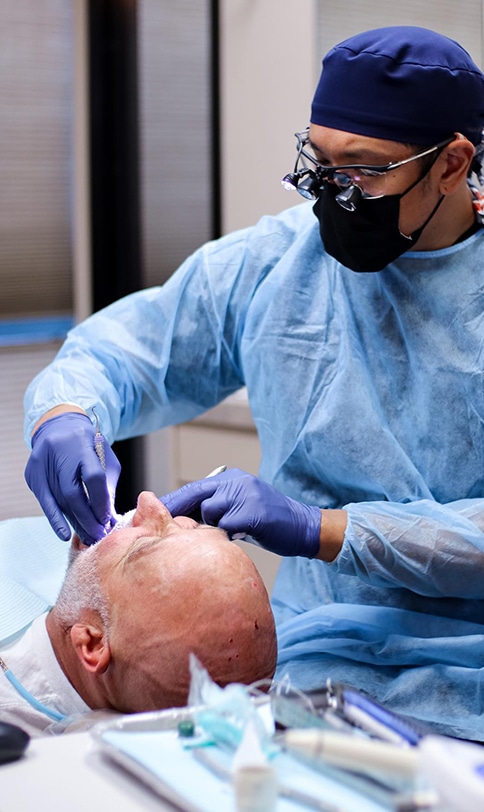
At Young Dental Health Center Upland, we understand the unique dental concerns older adults face. Our team works to create a welcoming, comfortable environment for seniors and families throughout Upland.
8. Protect Existing Dental Work
Many older adults have fillings, crowns, bridges, or implants that require ongoing care.
To help restorations last longer:
- Avoid chewing ice or hard candies
- Wear a nightguard if you grind your teeth
- Keep up with professional cleanings
- Address minor problems early
Preventive care is often more affordable and less stressful than waiting until major dental issues develop.
9. Don’t Ignore Tooth Pain or Sensitivity
Some seniors assume tooth discomfort is simply part of aging, but persistent pain should never be ignored.
Sensitivity or pain may indicate:
- Decay
- Cracked teeth
- Gum recession
- Infection
- Worn enamel
Prompt treatment can help preserve your natural teeth and prevent worsening problems.
10. Oral Health Supports Overall Confidence
A healthy smile impacts more than physical health. It can affect confidence, communication, and social comfort.
Many older adults in Upland enjoy spending time with family, participating in community activities, dining out, and staying socially active. Feeling confident about your smile can make those experiences even more enjoyable.
Simple Daily Dental Care Checklist for Seniors
- Brush twice daily
- Floss every day
- Drink plenty of water
- Eat tooth-friendly foods
- Clean dentures properly
- Schedule regular dental exams
- Report pain or bleeding early
Small daily habits can make a lasting difference.
Keep Your Smile Healthy at Every Age
Maintaining good oral health as a senior doesn’t have to be complicated. Consistent daily habits, healthy nutrition, and regular dental visits can help protect your smile and overall wellness for years to come.
If you’re looking for compassionate senior dental care in Upland, the team at Young Dental Health Center Upland is here to help. Whether you need preventive care, denture support, or restorative treatment, we’re committed to helping you smile with confidence.
Frequently Asked Questions
How often should seniors visit the dentist?
Most seniors should visit the dentist every six months for exams and cleanings. Some patients with gum disease or other conditions may need more frequent visits.
Why do older adults experience more dry mouth?
Dry mouth is commonly caused by medications, certain health conditions, dehydration, or reduced saliva production that naturally occurs with age.
Is tooth loss a normal part of aging?
No. While dental problems may become more common with age, healthy teeth can last a lifetime with proper care and routine dental visits.
Can gum disease be reversed?
Early-stage gum disease, known as gingivitis, can often be reversed with professional cleanings and improved oral hygiene habits.
Are dental implants a good option for seniors?
Yes. Many seniors are excellent candidates for dental implants, depending on their oral and overall health. A dental evaluation can help determine the best treatment option.