E-mail Us


Essential Vitamins & Minerals for Healthy Teeth & Gums

A healthy smile starts long before you sit in the dental chair. While brushing, flossing, and regular dental visits are essential, your daily nutrition also plays a major role in protecting your teeth and gums. The foods you eat provide the vitamins and minerals your mouth needs to stay strong, fight infection, and repair tissue naturally.
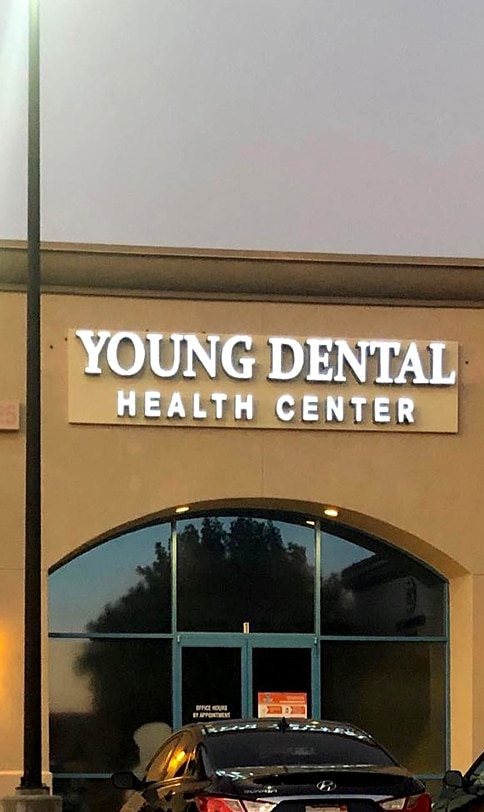
At Young Dental Health Center Upland, many patients are surprised to learn how closely oral health is connected to diet. Whether you’re raising a family in Upland, balancing a busy work schedule, or enjoying the active Southern California lifestyle, making smart nutritional choices can help keep your smile healthy for years to come.
In this guide, we’ll explore the most important vitamins and minerals for strong teeth and healthy gums, along with practical ways to include them in your everyday routine.
Why Nutrition Matters for Oral Health
Your mouth is one of the first places where nutritional deficiencies can appear. Weak enamel, bleeding gums, mouth sores, dry mouth, and increased tooth sensitivity can all be linked to a lack of essential nutrients.
Think of your teeth like a house:
- Enamel is the protective outer wall
- Gums are the foundation
- Vitamins and minerals are the building materials that keep everything stable
Without proper nutrients, your mouth becomes more vulnerable to:
- Tooth decay
- Gum disease
- Bad breath
- Inflammation
- Slow healing after dental procedures
The good news? Small dietary improvements can make a noticeable difference.
1. Calcium: The Foundation of Strong Teeth
Calcium is one of the most important minerals for maintaining healthy teeth and jawbones. Nearly all of your body’s calcium is stored in your bones and teeth.
Benefits of Calcium
- Strengthens tooth enamel
- Helps prevent tooth decay
- Supports jawbone density
- Reduces risk of tooth loss
Best Calcium-Rich Foods
- Milk
- Cheese
- Yogurt
- Almonds
- Leafy greens
- Tofu
- Sardines
Many Upland families enjoy active outdoor lifestyles, and maintaining strong bones and teeth becomes especially important as we age. Adding calcium-rich snacks to your daily routine is a simple step that supports both oral and overall health.
2. Vitamin D: The Calcium Helper
Vitamin D works hand-in-hand with calcium by helping your body absorb it effectively. Without enough vitamin D, your body cannot properly use the calcium you consume.
Benefits of Vitamin D
- Helps strengthen enamel
- Supports immune health
- Reduces inflammation in gums
- Helps prevent gum disease
Natural Sources of Vitamin D
- Sunlight exposure
- Salmon
- Egg yolks
- Fortified dairy products
- Tuna
Southern California’s sunny climate gives Upland residents a natural advantage when it comes to vitamin D. Spending moderate time outdoors while staying protected from excessive sun exposure can contribute to healthier teeth and gums.
3. Vitamin C: Essential for Healthy Gums
Vitamin C is critical for maintaining healthy gum tissue. It helps your body produce collagen, which supports the connective tissues in your gums.
Signs You May Need More Vitamin C
- Bleeding gums
- Swollen gums
- Slow healing
- Mouth sores
Vitamin C-Rich Foods
- Oranges
- Strawberries
- Bell peppers
- Broccoli
- Kiwi
- Tomatoes
Patients experiencing early gum irritation often benefit from increasing vitamin C intake alongside professional dental cleanings and improved home care.
4. Phosphorus: Enamel Protection
Phosphorus works together with calcium to protect and rebuild tooth enamel.
Benefits of Phosphorus
- Helps strengthen teeth
- Supports enamel repair
- Maintains healthy bones
Foods Rich in Phosphorus
- Chicken
- Fish
- Eggs
- Lentils
- Nuts
- Dairy products
A balanced diet that includes phosphorus can help reduce enamel wear caused by acidic foods and beverages.
5. Vitamin A: Supporting Soft Tissue Health
Vitamin A helps maintain healthy mucous membranes and saliva production. Saliva is essential because it naturally washes away bacteria and food particles.
Benefits of Vitamin A
- Supports saliva production
- Helps heal oral tissues
- Maintains healthy gums
Foods High in Vitamin A
- Carrots
- Sweet potatoes
- Spinach
- Kale
- Liver
- Cantaloupe
Dry mouth is a common issue for many adults, especially those taking medications. Vitamin A-rich foods may help support better oral moisture and comfort.
6. Magnesium: Supporting Teeth and Bone Structure
Magnesium contributes to healthy enamel formation and helps your body use calcium effectively.
Benefits of Magnesium
- Supports strong enamel
- Helps maintain bone density
- Supports nerve and muscle function
Good Sources of Magnesium
- Pumpkin seeds
- Spinach
- Black beans
- Cashews
- Whole grains
Magnesium often gets overlooked, but it plays a valuable role in long-term oral health.
7. Potassium: Helping Bone Mineral Density
Potassium helps improve bone mineral density by neutralizing acids that can weaken teeth.
Foods Rich in Potassium
- Bananas
- Avocados
- Sweet potatoes
- Yogurt
- Beans
Maintaining a balanced mineral intake can help protect against enamel erosion over time.
Simple Tips to Improve Your Oral Health Through Nutrition
Here are practical ways to support your smile every day:
Healthy Habits for Strong Teeth & Gums
- Drink plenty of water throughout the day
- Limit sugary drinks and snacks
- Eat crunchy fruits and vegetables
- Choose dairy or calcium-rich alternatives
- Avoid frequent acidic beverages
- Schedule regular dental cleanings
- Brush twice daily with fluoride toothpaste
- Floss every day
Foods That Can Harm Your Teeth
Even healthy diets can include foods that negatively affect oral health when consumed excessively.
Limit These Foods and Drinks
- Soda
- Sticky candy
- Sports drinks
- Excess citrus
- Sugary coffee drinks
- Processed snacks
If you do enjoy acidic or sugary foods, rinsing your mouth with water afterward can help reduce damage to your enamel.
The Connection Between Diet and Gum Disease
Gum disease is one of the most common dental issues among adults, and nutrition can directly impact its severity.
Poor nutrition may:
- Increase inflammation
- Weaken the immune system
- Slow healing
- Make gums more vulnerable to infection
At Young Dental Health Center Upland, preventive care includes educating patients about lifestyle habits that support healthier smiles. Combining professional dental care with proper nutrition creates the best long-term results.
Why Regular Dental Visits Still Matter
Even the healthiest diet cannot replace routine dental care. Professional cleanings help remove plaque and tartar that brushing alone cannot eliminate.
Regular dental visits also help identify:
- Early cavities
- Gum disease
- Enamel wear
- Nutritional-related oral concerns
For families in Upland and surrounding communities, staying proactive with preventive care can save time, discomfort, and future dental expenses.
Support Your Smile From the Inside Out
Healthy teeth and gums require more than just brushing and flossing. The nutrients you consume every day directly influence the strength of your enamel, the health of your gums, and your body’s ability to fight oral infections.
By combining smart nutritional choices with regular dental visits, you can protect your smile for years to come.
If you’re looking for preventive dental care, family dentistry, or personalized oral health guidance in Upland, the team at Young Dental Health Center Upland is here to help you maintain a healthier, brighter smile.
Frequently Asked Questions
Can vitamins repair damaged teeth?
Vitamins cannot reverse cavities, but they can help strengthen enamel and support healthier gums. Professional treatment is still necessary for tooth decay.
What vitamin deficiency causes bleeding gums?
A vitamin C deficiency is commonly associated with bleeding or swollen gums.
Is taking supplements enough for healthy teeth?
Supplements may help, but getting nutrients from whole foods is usually more effective for overall health.
Are sugary fruits bad for teeth?
Fruits contain natural sugars, but they also provide important vitamins and fiber. Moderation and proper oral hygiene are key.
How often should I visit the dentist?
Most patients benefit from professional cleanings and exams every six months.