E-mail Us


Dental Implant Healing Timeline: Day-by-Day Recovery Guide

Are you wondering what to expect after getting dental implants? The healing process can seem overwhelming, especially for those undergoing the procedure for the first time. Understanding the timeline and how to take care of yourself during each stage is crucial for a smooth recovery and a successful outcome.
This guide will walk you through the recovery process from the moment you leave the dentist’s office, detailing each day’s healing expectations, pain management tips, and activities to avoid. Whether you’re preparing for your first dental implant or recovering from surgery, knowing what to expect will help ensure that your new smile heals properly and lasts for years to come.
What Are Dental Implants?
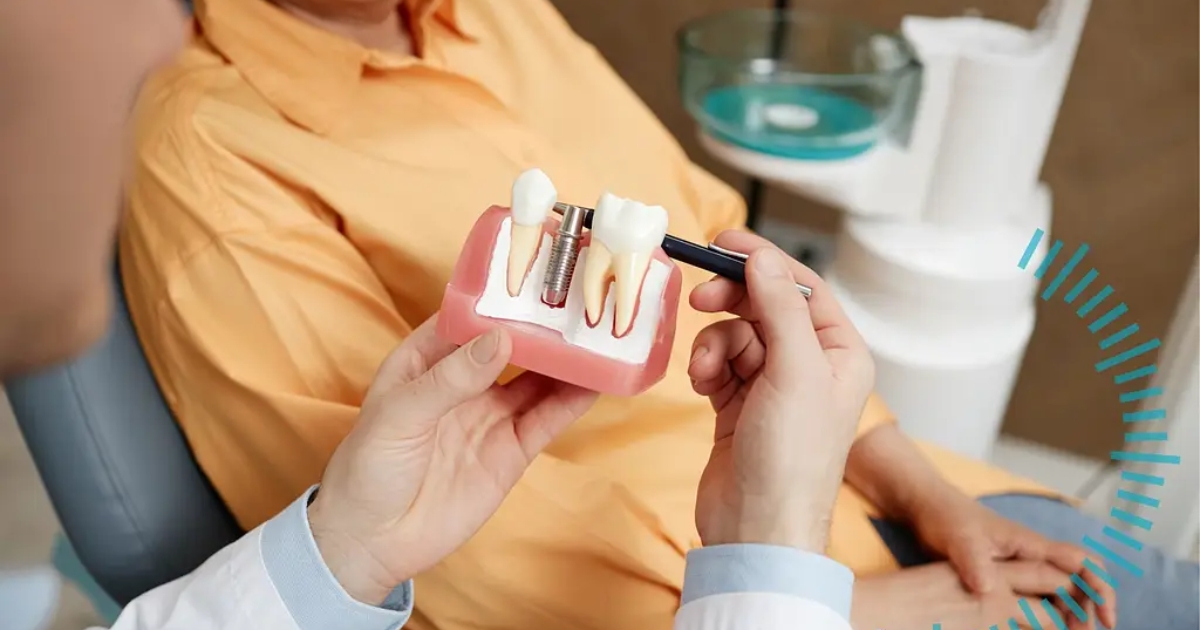
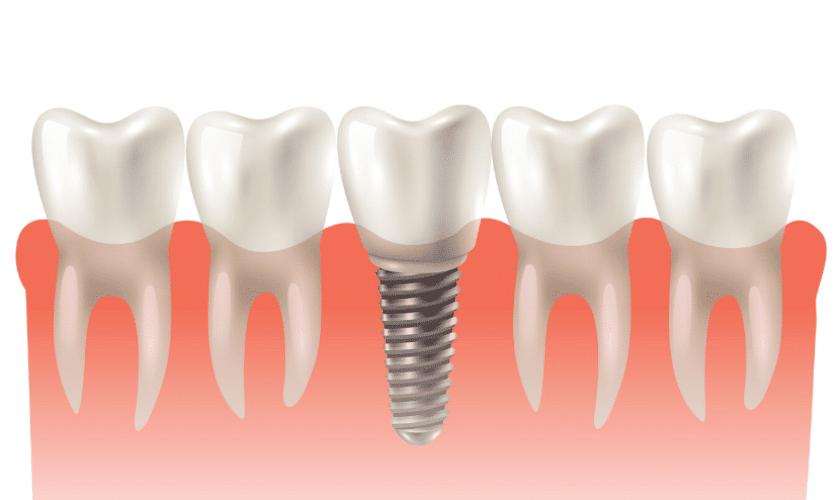
Dental implants are artificial tooth roots placed into your jawbone to support replacement teeth, such as crowns, bridges, or dentures. They are designed to function just like natural teeth, providing a secure and durable solution for missing teeth.
Dental implants offer numerous advantages over other tooth replacement options, such as bridges or dentures. They help restore the ability to eat, speak, and smile confidently, all while maintaining the natural shape of your face. Unlike removable dentures, implants are fixed in place, providing a permanent solution that feels and functions like natural teeth. They also help preserve the bone in the jaw, preventing bone loss that typically occurs after tooth loss.
The healing process is vital to the success of dental implants. For the implant to integrate properly with the bone and become stable, a process called osseointegration must occur. This process can take several months, and following the healing timeline is essential to ensure the longevity and success of the implant. A proper healing period also helps prevent complications such as infections or implant failure.
Dental Implant Healing Process: Day-by-Day Breakdown
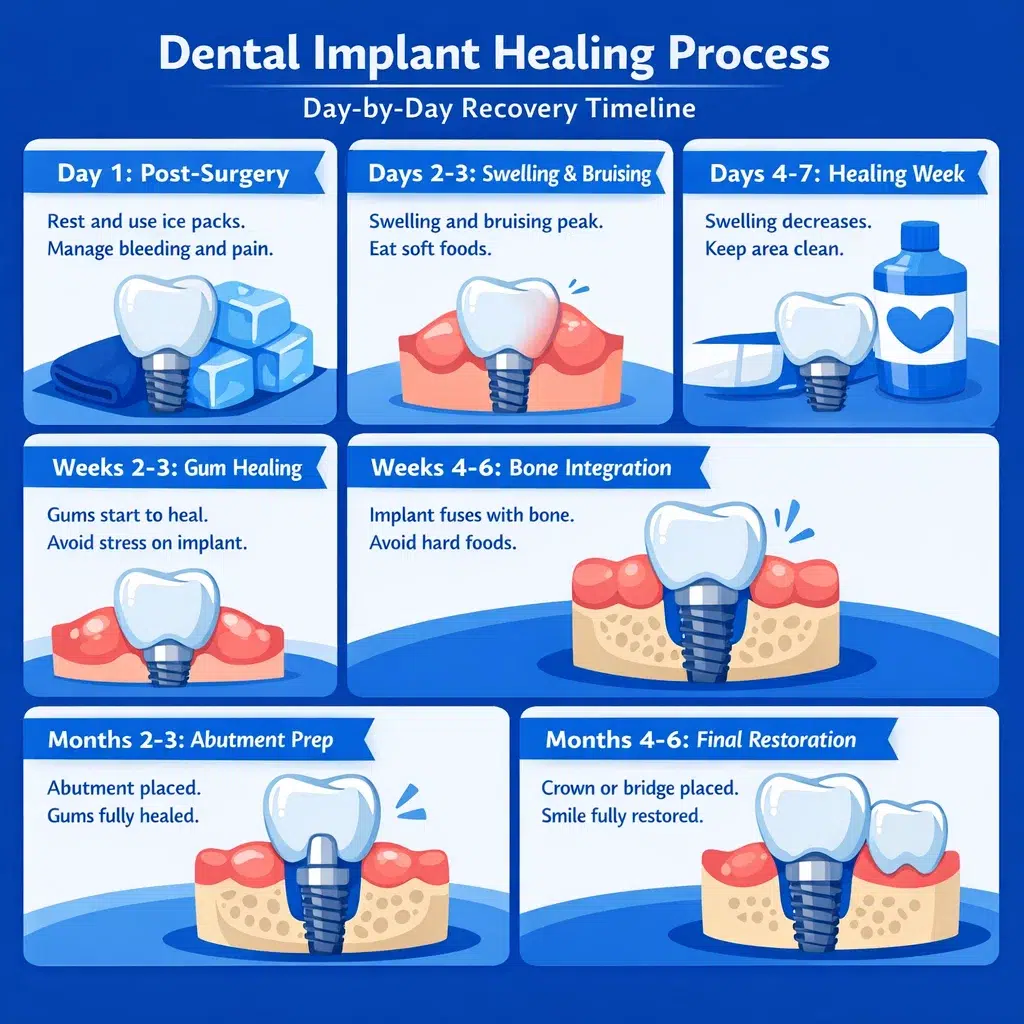
Day 1: The First Few Hours After Surgery
In the first few hours after your dental implant surgery, you may experience some discomfort and bleeding. This is entirely normal. Applying an ice pack to the affected area can help reduce swelling and numb the area, providing relief.
You should rest and avoid any strenuous activities. Your dentist will provide specific aftercare instructions to manage the bleeding and pain. Pain medications may be prescribed to keep you comfortable.
Day 2-3: Initial Swelling and Discomfort
Swelling and bruising are common during the first couple of days after surgery. The swelling usually peaks on the second day and should begin to subside after that.
During this period, it’s important to continue using ice packs and take prescribed medications as directed. Stay hydrated and eat soft foods to avoid putting pressure on the healing implant. Avoid smoking, as it can delay the healing process.
Day 4-7: The First Week of Recovery
By the end of the first week, swelling and discomfort should begin to reduce. You may still experience mild pain, but it should be manageable.
At this stage, it’s crucial to gently clean the area around the implant to prevent infection. Your dentist may advise a special mouth rinse to help with the healing process. Avoid hard or crunchy foods, as they could irritate the surgical site.
Week 2-3: Early Signs of Healing
At this point, most of the initial swelling and discomfort should be gone. You may notice the gums beginning to heal, but it’s important to avoid any unnecessary stress on the implant.
Your dentist will likely schedule a follow-up appointment to assess the healing process. You may be able to resume some normal activities, but it’s still important to avoid strenuous exercise or heavy lifting.
Week 4-6: Bone Integration and Early Implant Stability
The bone integration process, also known as osseointegration, begins during this phase. The implant post is gradually fusing with the jawbone, which is crucial for the stability of the implant. You may experience some discomfort as the bone heals around the implant.
During this time, your dentist will likely take X-rays to check the progress. Avoid hard foods, smoking, and excessive physical activity to allow proper healing.
Month 2-3: Healing and Getting Closer to Final Restoration
As healing progresses, you should notice a significant reduction in discomfort, and the implant will begin to feel more stable. At this stage, your dentist will prepare for the placement of the abutment, the small connector that holds the final restoration in place.
The gums will also be fully healed by this time, allowing your dentist to move forward with the final restoration process.
Months 4-6: Final Stages and Implant Success
By now, the implant should have fully integrated with the bone, and the abutment will be placed. This is when your final restoration (the crown or bridge) is attached to the implant, completing the procedure.
At this stage, you should be able to resume all normal activities, but maintaining good oral hygiene is essential for the longevity of your implant.
Factors That Affect Your Healing Time
Health Conditions
Certain health conditions, such as diabetes or autoimmune disorders, can impact the healing process. Smoking can also hinder the healing process by reducing blood flow to the gums and bone, making it more difficult for the implant to properly integrate.
Age
Older patients may experience slower healing times due to reduced circulation and overall bone density. However, with proper care, most people, regardless of age, can successfully heal from dental implant surgery.
Oral Hygiene
Good oral hygiene is crucial for the success of dental implants in Upland. Keeping the implant area clean can prevent infections and other complications. Make sure to follow your dentist’s instructions for brushing and using mouthwash during the healing period.
Top Tips for a Smooth Recovery
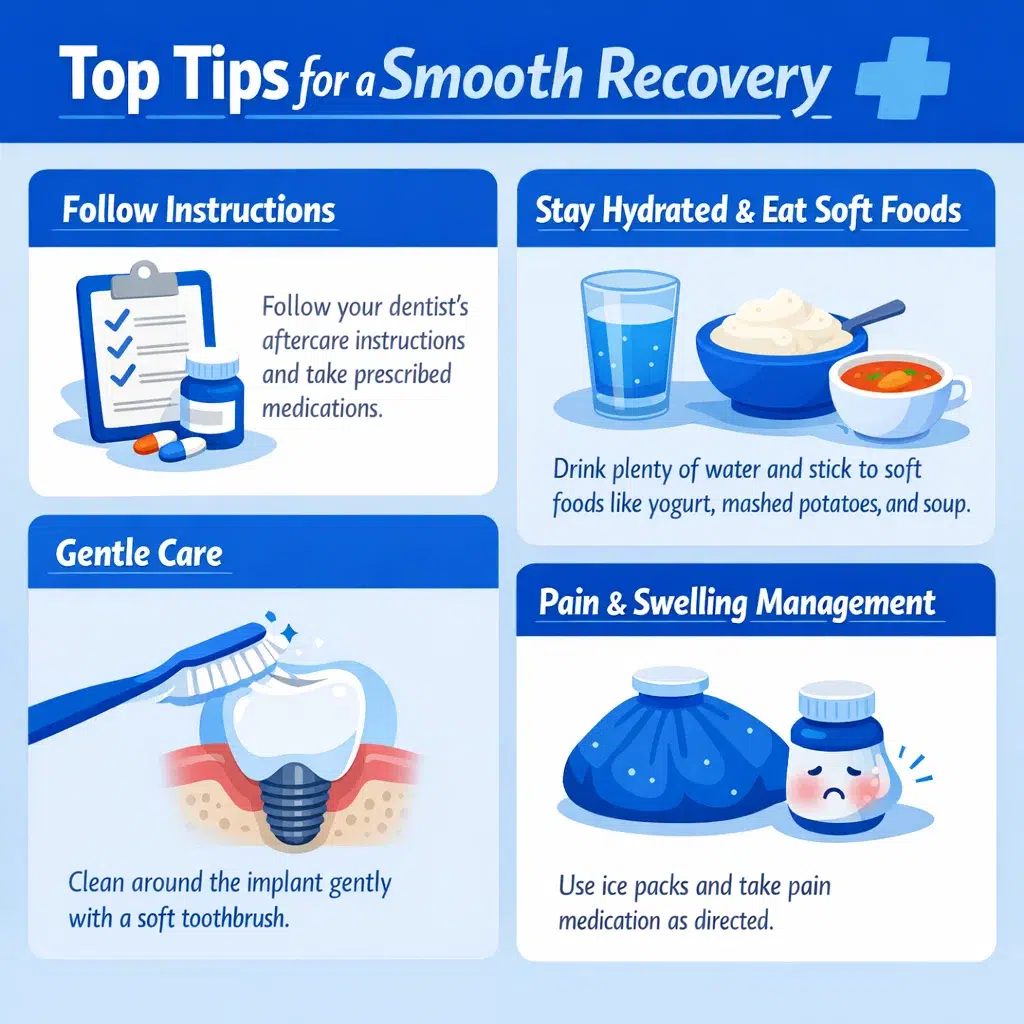
Follow Instructions
Your dentist will provide specific aftercare instructions to ensure proper healing. Follow these instructions closely to avoid complications. Taking prescribed medications and attending follow-up appointments are key to a successful recovery.
Stay Hydrated and Eat Soft Foods
During the recovery period, staying hydrated and eating soft foods can make a significant difference in your comfort level. Foods like yogurt, mashed potatoes, and soup are easy on the gums and promote healing.
Gentle Care
Carefully clean around the implant area using a soft toothbrush or the special tools your dentist recommends. Avoid irritating the healing site by brushing too hard or using harsh mouthwashes with alcohol.
Pain and Swelling Management
Manage pain and swelling by following your dentist’s recommendations for medication and using ice packs as needed. If swelling or pain persists, contact your dentist to ensure everything is healing as expected.
When to Contact Your Dentist
Signs of Complications
If you experience excessive pain, swelling, or bleeding beyond the first few days, it may be a sign of a complication. Infections, implant mobility, or other issues may arise if the implant has not integrated properly. Contact your dentist immediately if you notice any of these signs.
Importance of Follow-Up Appointments
Regular follow-up appointments with your dentist are essential to track the progress of your recovery and make adjustments as needed. These appointments help ensure that everything is healing properly and the implant is stable.
The dental implant healing timeline may seem long, but by following your dentist’s instructions and being patient, you can ensure a smooth recovery and successful results. From the first few hours after surgery to the final stages of implant restoration, each phase plays an important role in the healing process.
If you’re considering dental implants or need assistance with your recovery, don’t hesitate to reach out to Young Dental Health Center Upland. Our team is here to support you through every step of your journey toward a healthier smile. Schedule your consultation today to learn more about dental implants and how they can improve your quality of life.
What People Ask
How long does it take for dental implants to heal?
Healing typically takes 3 to 6 months for the implant to fully integrate with the jawbone. The process varies by individual.
What should I expect on the first day after implant surgery?
Expect some bleeding, swelling, and mild discomfort. Follow your dentist’s instructions for pain management and care.
Can I eat normally after getting dental implants?
Stick to soft foods for the first few days to avoid irritating the implant site. Avoid hard, chewy, or crunchy foods.
How soon can I return to work after dental implant surgery?
Most people can return to work within 1-2 days, depending on the complexity of the procedure and your recovery.
What activities should I avoid during dental implant recovery?
Avoid strenuous physical activity, smoking, and chewing hard foods for the first few weeks to ensure proper healing.