E-mail Us


Dental Implants for Bone Loss in Upland, CA | Young Dental Health Center
Many Upland residents don’t realize their jaw bone is quietly disappearing after losing a tooth. If you’re wondering whether your jaw bone is already shrinking from missing teeth in Upland, the answer may surprise you. Bone loss can begin within weeks of tooth loss. Acting early is the most powerful thing you can do to protect your oral health.
This article explains the warning signs that bone loss has already begun. It also covers why delaying treatment makes the problem harder — and more costly — to fix. Dr. Clifford Young at Young Dental Health Center Upland sees these issues every week in patients who waited too long.
Why Missing Teeth Cause Jaw Bone Shrinkage in Upland Patients
Your teeth do more than chew food. They stimulate your jaw bone every time you bite or speak. This constant stimulation signals your body to keep producing healthy bone tissue in that area.
When a tooth is lost, that stimulation disappears immediately. Your body interprets the empty space as a sign that bone is no longer needed there. It begins redirecting minerals and nutrients away from that site.
This process is called bone resorption. Studies show the jaw can lose up to 25% of its bone width in just the first year after tooth loss. Over time, the changes become visible and permanent without intervention.
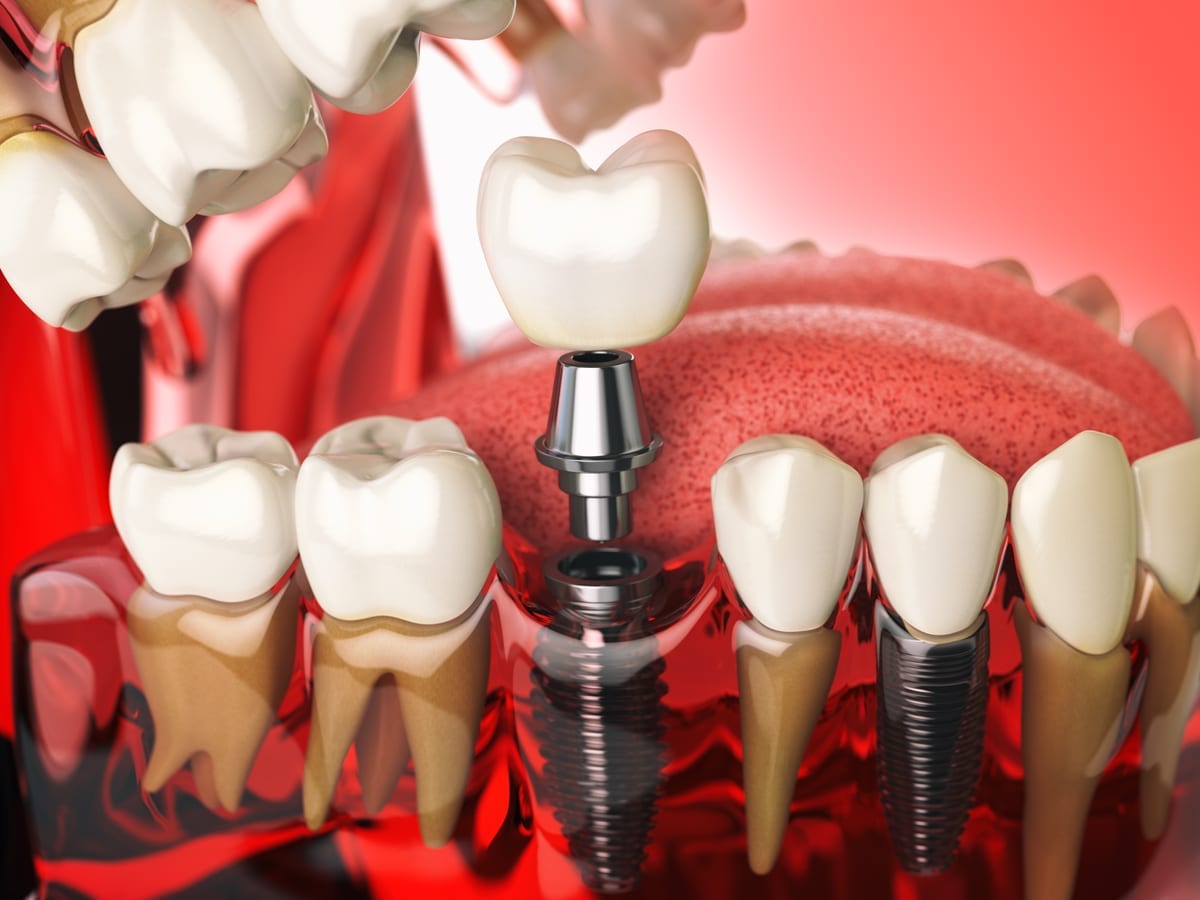
Dental implants are the only tooth replacement option that mimics natural root stimulation. They are anchored directly into the jaw bone, which prevents this shrinkage from continuing.
Warning Signs Your Jaw Bone Is Already Shrinking
Recognizing the warning signs early gives you the best chance of preserving your smile. Many patients in Upland come to us only after noticing dramatic changes in how their face looks or feels.
Here are the most common signs that bone loss has already begun:
- Sunken facial appearance: Your lower face looks hollowed out or aged beyond your years.
- Shifting or loosening teeth: Neighboring teeth drift into the empty space, becoming unstable.
- Difficulty chewing: You avoid certain foods because chewing is painful or uncomfortable.
- Changes in your bite: Your upper and lower teeth no longer align the way they used to.
- Ill-fitting dentures: Dentures that once fit well now slip or cause sore spots regularly.
- Jaw pain or clicking: Bone changes affect your jaw joint, causing discomfort or TMJ symptoms.
If you recognize two or more of these signs, your bone loss may already be significant. The sooner you act, the more bone we can preserve — and the better your implant outcomes will be.
How Long Is Too Long to Wait After Losing a Tooth in Upland
There is no universal deadline, but waiting longer always makes treatment more complex. Most dentists recommend addressing tooth loss within three to six months. Beyond that window, bone loss becomes harder to reverse.
After a year or more, many patients require a bone grafting procedure before implants can even be placed. This adds time, cost, and recovery to your treatment plan.
Shifting teeth create another problem. When neighboring teeth tilt into the gap, they become harder to clean. This raises your risk of gum disease, which accelerates bone loss further.
Patients who wait several years often need more extensive Cosmetic Dentistry work to correct the cascade of problems that developed from a single missing tooth. What started as one extraction can affect your entire mouth.
What Happens During a Bone Loss Evaluation at Our Upland Office
Dr. Young uses digital X-rays and 3D cone beam imaging to assess the current state of your jaw bone. This technology reveals the exact density and volume of bone remaining at the missing tooth site.
During your consultation, Dr. Young will walk you through your imaging results in plain language. You’ll understand exactly where your bone stands and what your options are going forward.
If bone grafting is needed before implants, we’ll explain the timing and what the process involves. Our goal is always to give you the most complete picture so you can make a confident decision.
We also screen for other urgent concerns during your visit. If you’re in pain or dealing with a dental emergency, our Emergency Dentistry team is here to help right away.
Your Options for Replacing Missing Teeth and Stopping Bone Loss
Not every patient is ready for implants on day one. We offer several tooth replacement solutions depending on your current bone volume and overall health.
Here is a quick overview of your main options:
- Dental implants: The gold standard for stopping bone loss — a titanium post replaces the tooth root and stimulates the jaw bone naturally.
- Implant-supported dentures: A great option if you’ve lost multiple teeth — anchored implants keep dentures stable and protect bone.
- Traditional dentures or bridges: These replace visible tooth structure but do not stop bone resorption underneath.
- Bone grafting + implants: If significant bone loss has already occurred, grafting rebuilds the foundation before an implant is placed.
Dr. Young will recommend the option that fits your current situation. Every treatment plan at Young Dental Health Center Upland is personalized — never one-size-fits-all.
The most important step is simply coming in for an evaluation. Even if significant time has passed since your tooth loss, options still exist to restore your smile and protect what bone remains.
Take Action Before Bone Loss Gets Worse in Upland
Your jaw bone is a living structure that responds to stimulation and loss alike. Every day without a tooth replacement is another day your body quietly reabsorbs that bone. The warning signs are real, and they appear in patients throughout Upland who simply waited too long.
Dr. Clifford Young and the team at Young Dental Health Center Upland are committed to giving you clear, honest guidance — not pressure. We want you to understand your options and feel empowered to make the right choice for your health.
Don’t wait until the warning signs become permanent changes to your face, bite, or confidence. Book Now to schedule your appointment with our team.
Frequently Asked Questions
How quickly does jaw bone loss begin after losing a tooth?
Bone resorption can begin within weeks of tooth loss. Research shows the jaw may lose up to 25% of its bone width in the first year alone. Early evaluation is essential to slowing or preventing further loss.
Can bone loss be reversed once it has already started?
In many cases, bone grafting can rebuild lost bone volume so that a dental implant can be placed successfully. However, the more bone that is lost, the more complex the grafting procedure becomes. Acting sooner always leads to better outcomes.
Do dentures stop jaw bone loss from progressing?
Traditional dentures sit on top of the gum and do not stimulate the underlying jaw bone. They do not prevent bone resorption. Implant-supported dentures, which anchor into the bone, are a better option for preserving jaw bone over time.
How do I know if I need a bone graft before getting an implant?
Dr. Young uses digital X-rays and 3D imaging to assess your bone density and volume. If the bone is too thin or shallow to hold an implant securely, a bone graft will be recommended first. This is determined during your initial consultation.
Is jaw bone loss painful to experience?
Bone loss itself is often painless in the early stages, which is why many patients don’t notice it until visible changes appear. Symptoms like shifting teeth, bite changes, or a sunken facial appearance may be the first noticeable signs that significant loss has occurred.