E-mail Us


Teeth Whitening Stains Explained | Young Dental Upland
You’ve tried whitening strips, whitening toothpaste, and even professional bleaching trays. Yet your smile still looks dull or discolored. If this sounds familiar, you’re not alone. Many patients in Rancho Cucamonga ask us exactly this question — why your teeth won’t whiten, and what intrinsic vs. extrinsic stains mean for your treatment options. The answer depends heavily on the type of stain causing the discoloration. Understanding the difference is the first step toward finding a solution that actually works.
Extrinsic Stains: The Surface-Level Culprits
Extrinsic stains live on the outer layer of your tooth, called the enamel. They come from foods, drinks, and habits that deposit pigment onto the tooth surface over time. Common culprits include coffee, red wine, tea, and tobacco use. These stains are the most straightforward to treat.
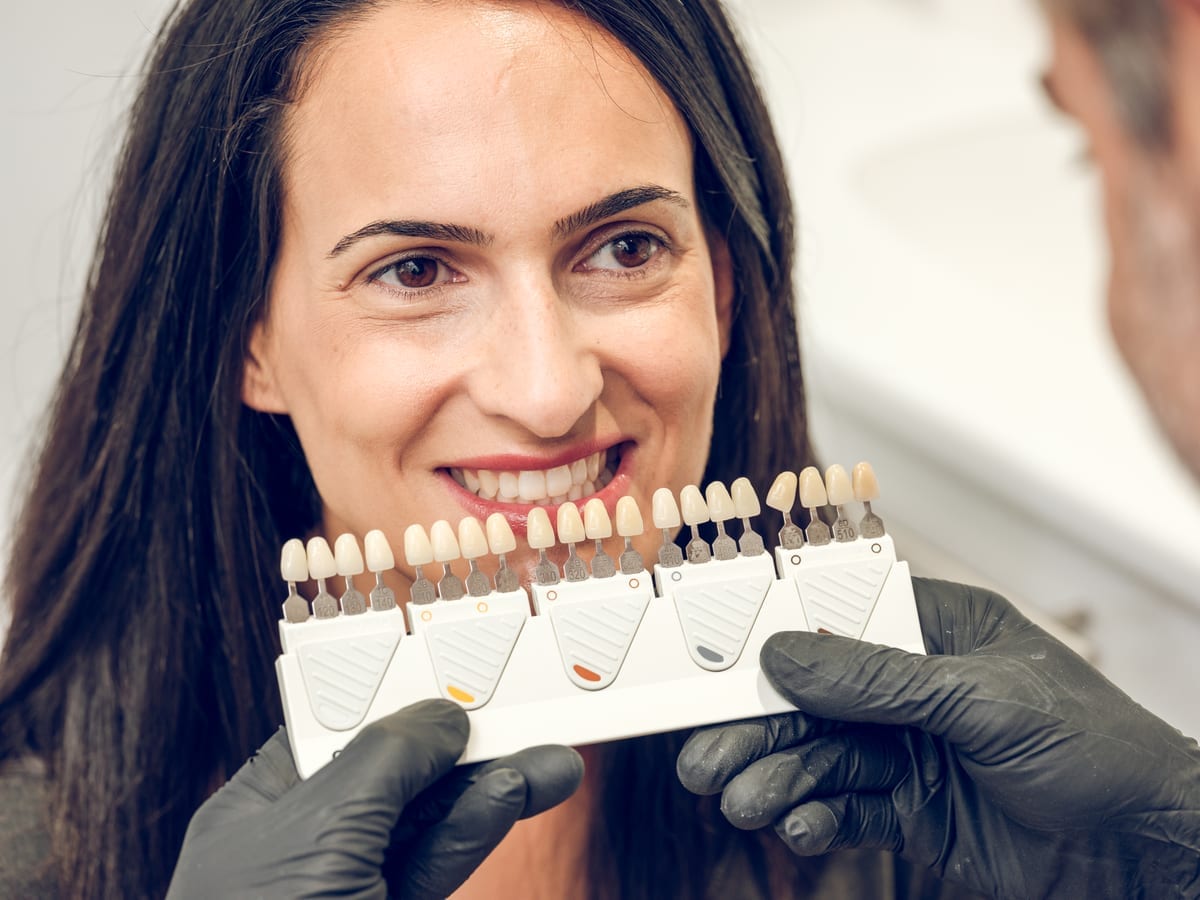
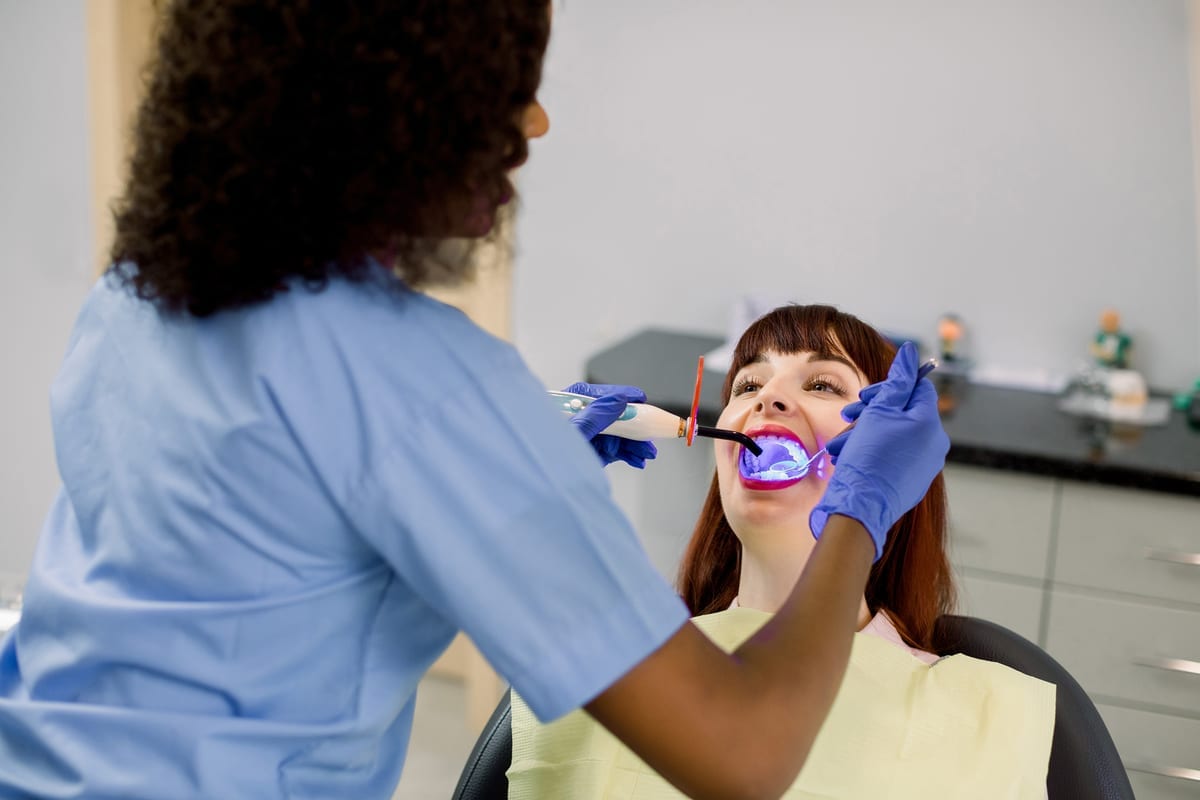
Because extrinsic stains sit on top of the enamel, whitening agents can reach and break them down effectively. Professional teeth whitening treatments work by using peroxide-based gels to oxidize these surface pigments. The result is a noticeably brighter smile without altering the tooth’s structure. Regular dental cleanings can also remove surface buildup before it becomes a deeper problem.
- Coffee and tea
- Red wine and dark juices
- Tomato-based sauces
- Tobacco products (smoking or chewing)
- Certain berries and heavily pigmented foods
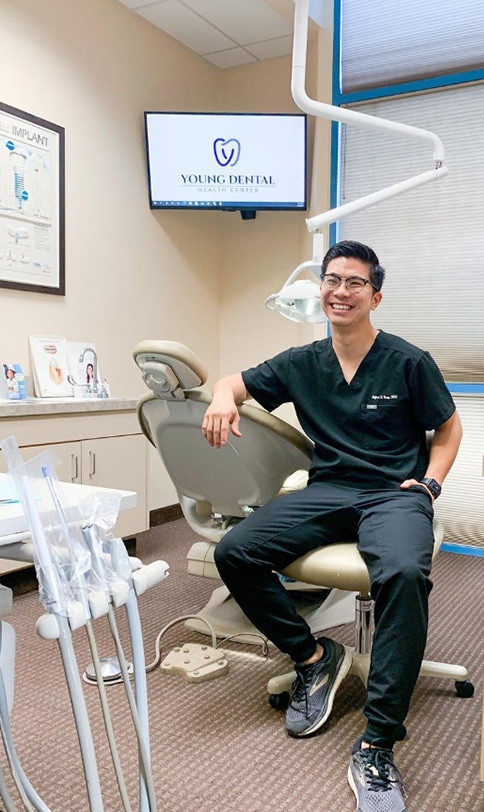
If your dentist confirms that your discoloration is primarily extrinsic, you have excellent whitening options available. At Young Dental Health Center Upland, Dr. Clifford Young can help determine which whitening approach delivers the best results for your specific stain type.
Intrinsic Stains: When Whitening Simply Won’t Work
Intrinsic stains are a different story entirely. These stains develop inside the tooth structure — within the dentin beneath the enamel. Because they’re embedded deep in the tooth, whitening gels cannot reach them effectively. This is why so many patients feel frustrated when over-the-counter products fail to produce results.
Several factors cause intrinsic staining. Tetracycline antibiotic use during childhood can cause gray or brown banding deep within the teeth. Excessive fluoride exposure during tooth development can lead to a condition called fluorosis, which creates white spots or brown patches. Trauma to a tooth can also trigger internal discoloration as the pulp tissue breaks down.
- Tetracycline antibiotic use during childhood development
- Dental fluorosis from excessive fluoride
- Tooth trauma causing pulp breakdown
- Aging, which thins enamel and reveals darker dentin underneath
- Certain medical conditions affecting enamel formation
It’s also worth noting that aging naturally causes intrinsic darkening. As enamel wears thinner over the years, the yellowish dentin beneath becomes more visible. No amount of bleaching will reverse this process alone.
Intrinsic Stain Solutions in Rancho Cucamonga
The good news is that intrinsic stains are absolutely treatable — just not with whitening alone. Cosmetic dentistry offers several highly effective alternatives. The right option depends on the severity of your discoloration, your overall dental health, and your smile goals.
Veneers are one of the most popular and effective solutions for intrinsic staining. These thin porcelain shells are custom-crafted and bonded to the front surface of your teeth. They completely mask deep discoloration while also improving the shape and size of your smile. Many patients in the Rancho Cucamonga area choose veneers when whitening has repeatedly let them down.
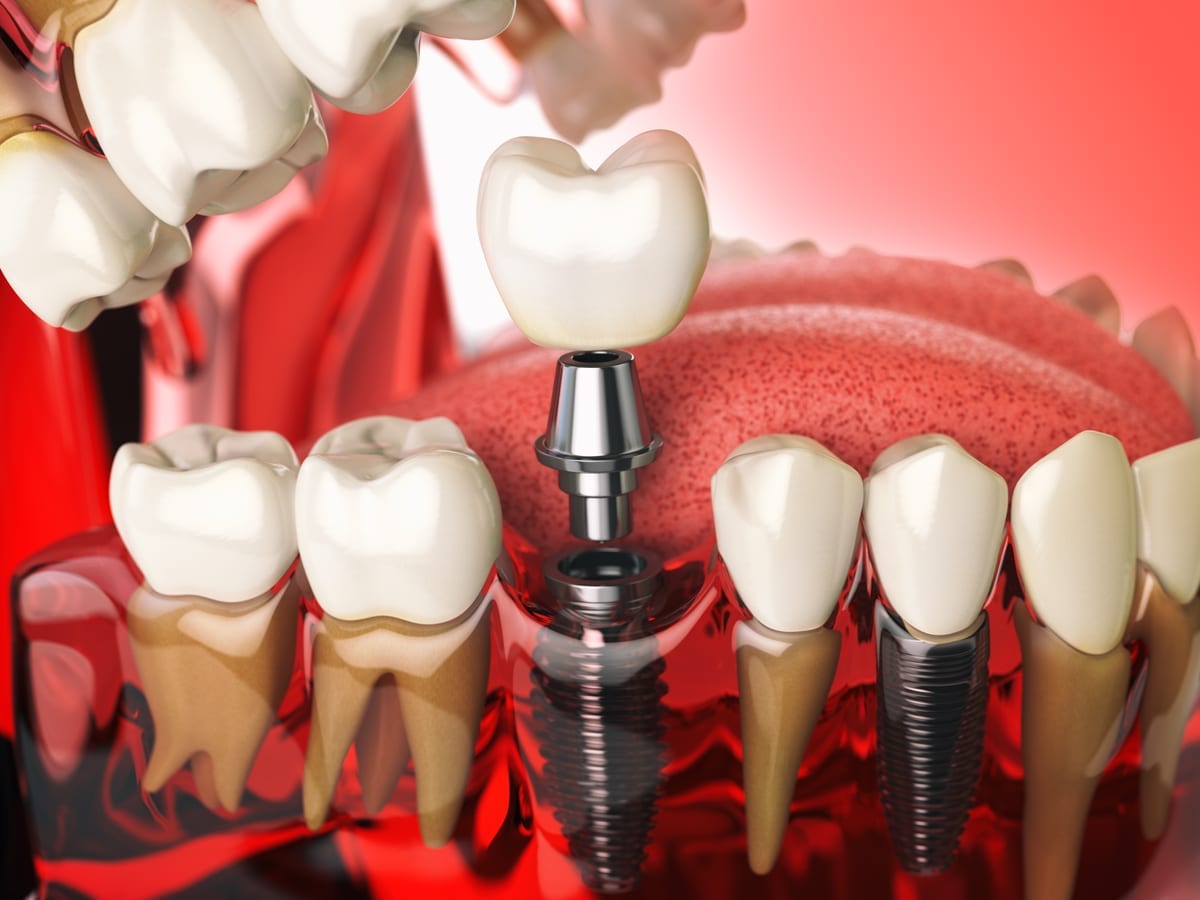
Dental crowns are another option, particularly when a tooth has both discoloration and structural damage. A crown covers the entire visible tooth, restoring both appearance and function. For teeth that have been darkened due to past trauma or decay, this is often the most comprehensive solution available.
In some cases, internal bleaching is possible for a single darkened tooth. This is typically performed after Root Canal Therapy, where a bleaching agent is placed inside the tooth to lighten it from within. This technique is highly specialized and not suitable for all patients.
How to Know Which Type of Stain You Have
You may not be able to diagnose your stain type on your own. Extrinsic and intrinsic stains can look similar to the untrained eye. A dental examination with X-rays and a clinical assessment is the most reliable way to identify what’s happening beneath your enamel.
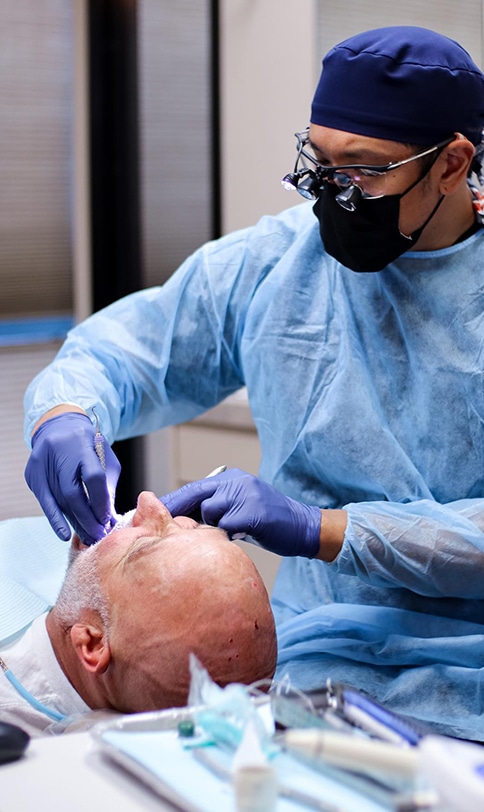
Dr. Clifford Young evaluates each patient’s unique situation before recommending any whitening or cosmetic treatment. During your consultation, he’ll examine the depth and distribution of your discoloration. He’ll also review your dental and medical history to identify any contributing factors. This thorough approach ensures that your treatment plan actually addresses the root cause.
Some patients have a combination of both intrinsic and extrinsic staining. In these cases, a layered treatment plan may be recommended. For example, professional whitening might lighten surface stains first, followed by veneers to address deeper discoloration. A personalized plan yields far better results than a one-size-fits-all approach.
Taking the Next Step Toward a Brighter Smile
Understanding the difference between intrinsic and extrinsic stains is genuinely empowering. It explains why some treatments work and others fall flat. More importantly, it points you toward solutions that can actually deliver the results you want.
Whether you need professional teeth whitening, veneers, or another cosmetic approach, the team at Young Dental Health Center Upland is here to guide you. Serving patients throughout the Rancho Cucamonga area, Dr. Young combines clinical expertise with a friendly, patient-first approach. You deserve answers — and a smile you feel confident showing off.
Don’t keep guessing at drugstore solutions that weren’t designed for your stain type. Book Now to schedule your appointment with our team.
Frequently Asked Questions
Can professional teeth whitening fix all types of stains?
No, professional whitening is most effective for extrinsic stains on the tooth’s surface. Intrinsic stains that exist within the dentin layer do not respond well to peroxide-based whitening treatments. Your dentist will evaluate your stain type and recommend the most appropriate solution for your smile.
What causes intrinsic tooth staining in adults?
Intrinsic staining in adults is often caused by aging, trauma to a tooth, or the long-term effects of medications taken during childhood. As enamel naturally thins over time, the darker dentin underneath becomes more visible. Certain health conditions affecting enamel development can also contribute to this type of discoloration.
Are veneers a permanent solution for discolored teeth?
Veneers are a long-lasting cosmetic solution that typically lasts 10 to 15 years with proper care. They effectively cover intrinsic stains that cannot be removed by whitening. While they are not considered reversible due to the preparation process, they offer a durable and natural-looking improvement for stubborn discoloration.
How do I know if my tooth discoloration is extrinsic or intrinsic?
The best way to determine your stain type is through a professional dental examination. A dentist can assess the depth, color, and pattern of your discoloration to identify the underlying cause. Home whitening kits offer no diagnostic value and may waste time if your stains are intrinsic in nature.
Can a single darkened tooth be treated differently from the rest?
Yes, a single darkened tooth — often caused by trauma or a previous root canal — can sometimes be treated with internal bleaching or a dental crown. The approach depends on the cause and severity of the discoloration. Your dentist will examine the tooth’s health and structure before recommending the right treatment path.