E-mail Us


Dental Veneers Care in Upland, CA | Young Dental Health Center
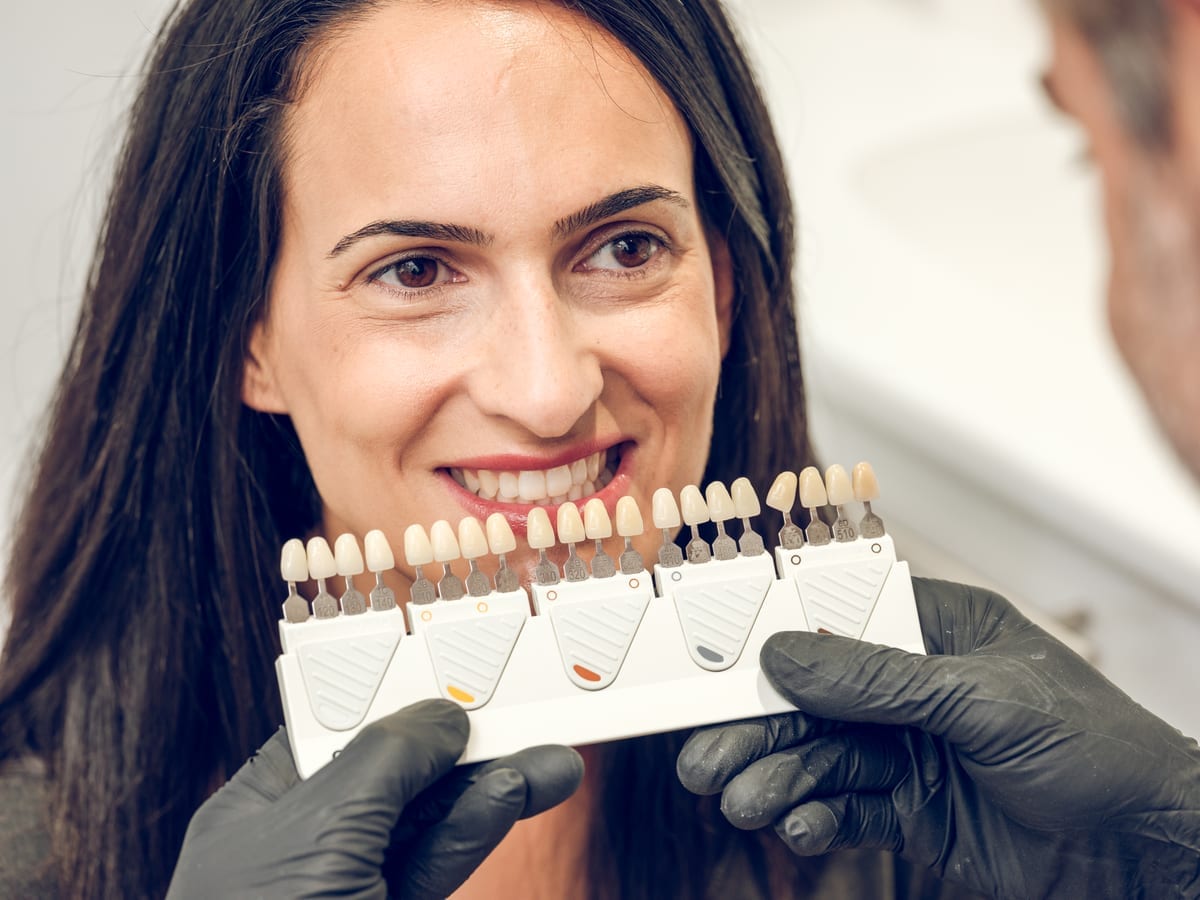
Porcelain veneers are one of the most transformative smile investments you can make. Patients across San Antonio Heights choose veneers to correct chips, discoloration, and uneven teeth. But here is the truth most people miss: your veneers will last decades—if you avoid these 5 things in San Antonio Heights. With the right habits, veneers can stay beautiful for 15 to 20 years or more.
At Young Dental Health Center Upland, Dr. Clifford Young sees patients every week who want to protect their investment. This guide covers exactly what threatens veneers and how to keep yours looking flawless for the long haul.
What Makes Veneers Vulnerable in the First Place?
Porcelain veneers are thin shells bonded to the front of your natural teeth. They are strong, but they are not indestructible. Certain habits and foods create stress or staining that shortens their lifespan significantly.
Understanding the material helps you protect it better. Porcelain resists stains well, but composite veneers are more porous and discolor faster. Both types can chip under pressure. Knowing this shapes every tip below.
Your veneers also rely on a strong bond between the porcelain and your natural tooth. Anything that weakens that bond—or puts uneven stress on it—can lead to premature failure. Prevention is always easier than replacement.
The 5 Things to Avoid If You Want Veneers That Last Decades in San Antonio Heights
These five habits are the most common reasons patients return to the office with damaged or discolored veneers. Avoiding them costs nothing but awareness.
- Staining drinks consumed without protection: Coffee, red wine, tea, and dark sodas are major culprits. Drink them through a straw when possible. Rinse your mouth with water immediately afterward. This simple habit dramatically reduces surface staining over time.
- Biting hard foods directly: Ice, hard candy, crusty bread, and raw carrots put intense pressure on veneers. Cut hard foods into small pieces before eating. Never bite into apples or chicken wings with your veneered front teeth.
- Nail biting and using teeth as tools: These habits place uneven, lateral stress on veneer edges. That stress causes micro-fractures that worsen over time. Break the habit now—your veneers and natural teeth will thank you.
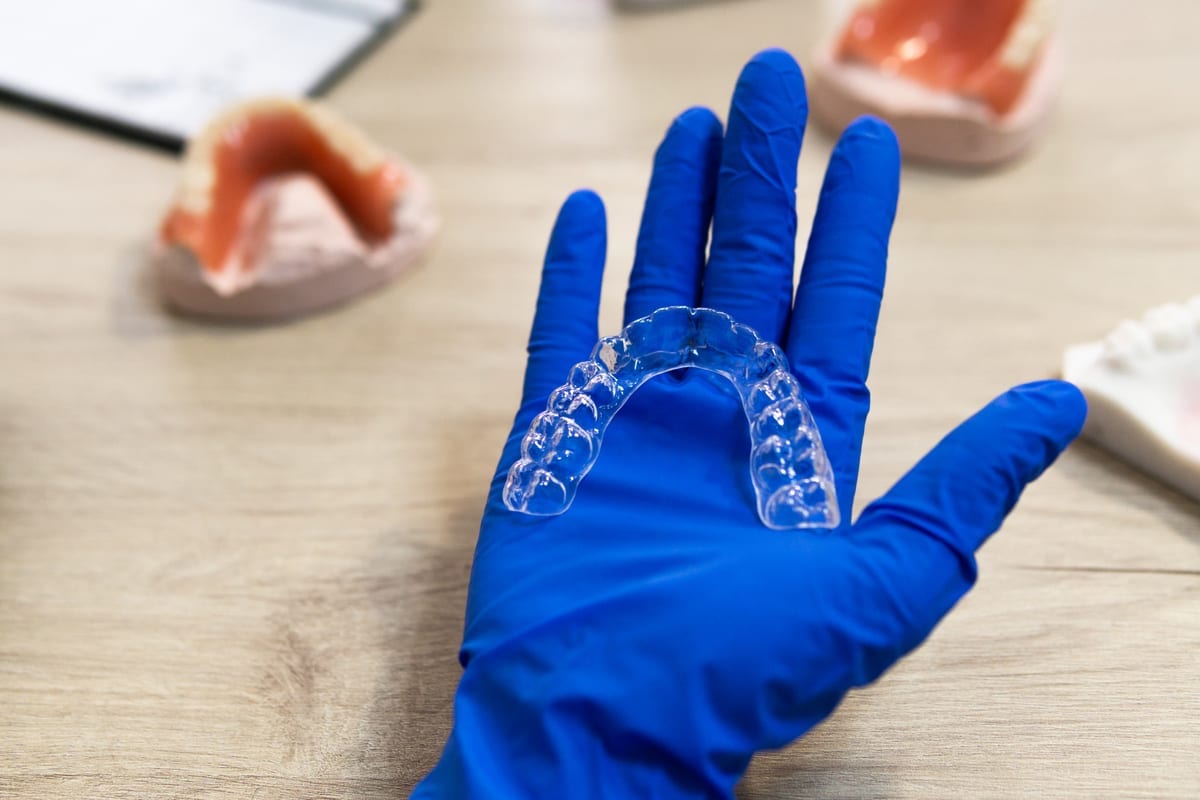
- Skipping your nightguard if you grind: Bruxism, or teeth grinding, is one of the fastest ways to destroy veneers. If you grind at night, Dr. Young can fit you with a custom nightguard. This single step can double or triple the lifespan of your veneers.
- Using abrasive toothpastes: Whitening toothpastes with harsh abrasives scratch porcelain surfaces over time. Stick to non-abrasive, fluoride-based toothpaste. Ask Dr. Young which brands are safe for veneer patients.
Each of these five habits seems minor in isolation. Together, they are the leading reasons veneers fail before their time. Eliminating even two or three of them makes a measurable difference.
Products and Daily Habits That Actually Help Your Veneers
Avoiding harmful habits is only half the equation. The right products actively protect and maintain your veneers every single day.
Use a soft-bristled toothbrush. Medium and hard bristles wear down the glaze on porcelain over time. Electric toothbrushes are fine as long as you use a gentle setting and a non-abrasive paste.
Non-alcoholic mouthwash is another smart choice. Alcohol-based rinses can weaken the bonding resin that holds veneers in place over years of use. Look for fluoride rinses labeled alcohol-free.
- Soft-bristled or electric toothbrush on a gentle setting
- Non-abrasive, fluoride toothpaste
- Alcohol-free mouthwash to protect bonding resin
- A custom nightguard if you grind or clench
- Drinking straws for staining beverages
- Floss daily around the veneer margins to prevent gum recession
Flossing matters more than many patients realize. Healthy gums support the base of each veneer. Gum recession exposes veneer edges and can make them look unnatural. Daily flossing keeps gum tissue tight and healthy.
Why Maintenance Visits Are Non-Negotiable for Long-Lasting Veneers
Home care is essential, but professional maintenance is what truly extends the life of your veneers. Regular checkups at Young Dental Health Center Upland allow Dr. Young to catch small issues before they become expensive ones.
During a maintenance visit, our team polishes your veneers with specially formulated paste. This restores surface luster without scratching. We also check the bonding margins for early signs of wear or separation.
X-rays help monitor the health of the natural teeth underneath each veneer. Even perfectly bonded veneers can mask early decay if home hygiene slips. Routine visits close that gap. Our Restorative Dentistry team is experienced in treating underlying issues without sacrificing your cosmetic results.
We also reassess your bite at each visit. A shift in your bite alignment puts new stress on veneers. Catching this early prevents chipping and cracking down the road. Plan for visits every six months as a baseline minimum.
What Happens If a Veneer Gets Damaged?
Even with perfect care, accidents happen. Knowing what to do immediately after a chip or crack saves your veneer and protects the tooth underneath.
Do not wait to call us. A cracked veneer exposes the bonding layer and sometimes the natural tooth beneath. That exposure invites bacteria and can lead to sensitivity or decay. In some cases, untreated damage may eventually require Root Canal Therapy if decay reaches the nerve.
Keep the broken piece if you can find it. In certain situations, Dr. Young can assess whether the veneer is repairable. Small chips at the edge are sometimes polished smooth. Larger fractures typically require full replacement.
San Antonio Heights patients can reach our office quickly for emergency dental concerns. Acting fast almost always leads to a better and less costly outcome. The sooner we assess the damage, the more options we have available.
Conclusion: Protect Your Smile and Your Investment
Veneers are a long-term commitment to your smile, and they reward patients who treat them well. Avoiding staining drinks, hard foods, nail biting, teeth grinding, and abrasive products will protect your veneers for decades. Pairing those habits with the right daily products and regular professional visits gives you the best possible outcome.
Dr. Clifford Young and the team at Young Dental Health Center Upland are here to guide every patient in San Antonio Heights through every stage of veneer care. Whether you already have veneers or are considering them, we are ready to help you get the most from your smile. Book Now to schedule your appointment with our team.
Frequently Asked Questions
How long do porcelain veneers typically last?
With proper care, porcelain veneers last between 15 and 20 years on average. Some patients keep theirs looking great for 25 years or more. The key factors are your daily habits, bite health, and regular professional maintenance visits.
Can I whiten my veneers if they start to look dull?
Traditional whitening treatments do not work on porcelain veneers. The best approach is professional polishing during your routine checkups. If staining becomes significant, replacement veneers or a veneer refresh may be options worth discussing with Dr. Young.
Do I need a nightguard even if I do not grind loudly?
Yes. Many people grind or clench without knowing it. Signs include morning jaw soreness, headaches, or worn tooth edges. Dr. Young can assess your teeth for grinding signs during a routine exam and recommend a custom nightguard if needed.
Is it safe to eat normally with veneers?
You can eat most foods comfortably with veneers. The key is avoiding excessive pressure on the front teeth from hard foods like ice or hard candy. Cutting food into smaller pieces and chewing with your back teeth protects veneer edges from stress fractures.
How soon after getting veneers should I come back for a checkup?
Dr. Young typically recommends a follow-up visit within a few weeks of placement to confirm the fit and bite feel correct. After that, standard six-month checkups are sufficient for most patients. If you notice sensitivity or looseness before then, contact us right away.