E-mail Us


Dental Implants Lifespan in Upland, CA | Young Dental Health Center
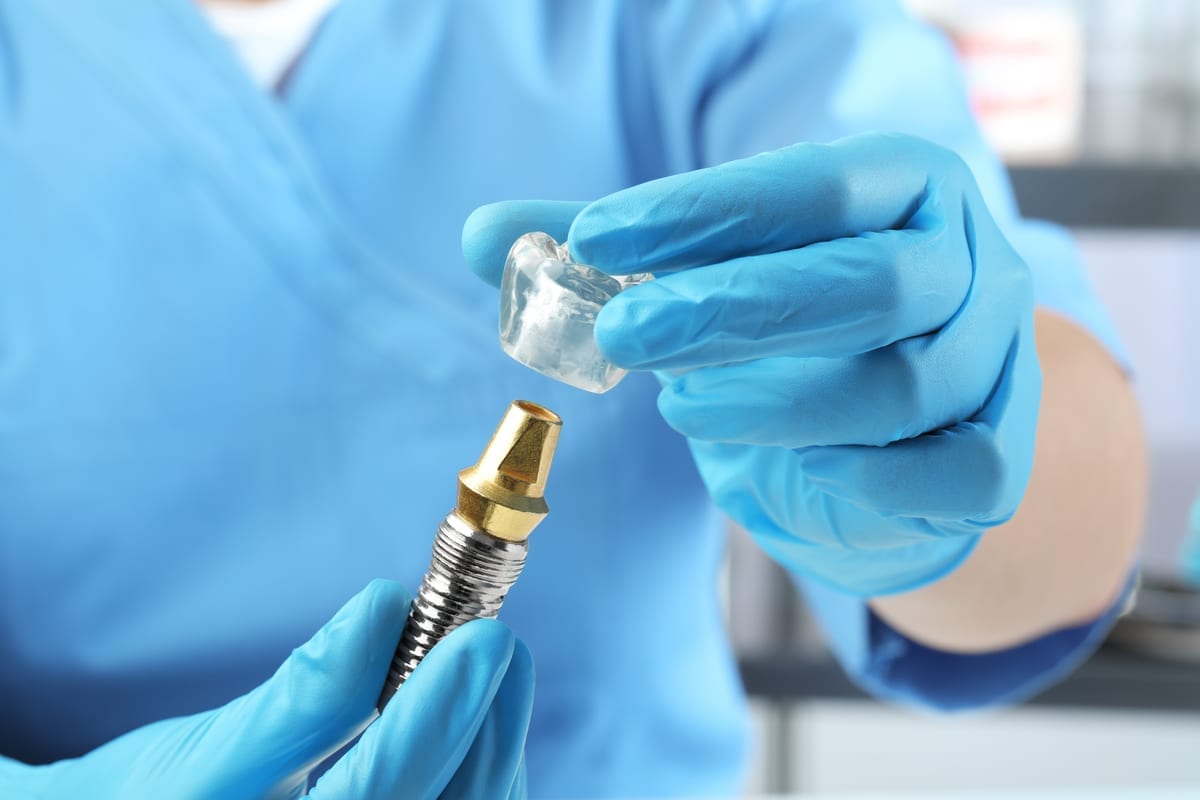
If you’ve been considering dental implants, you’ve probably asked yourself: do dental implants really last a lifetime? It’s one of the most common questions patients bring to Young Dental Health Center Upland. The short answer is — they can. But how long dental implants last depends on several important factors. Understanding those factors helps Upland patients make informed, confident decisions about their oral health.
How Long Do Dental Implants Actually Last?
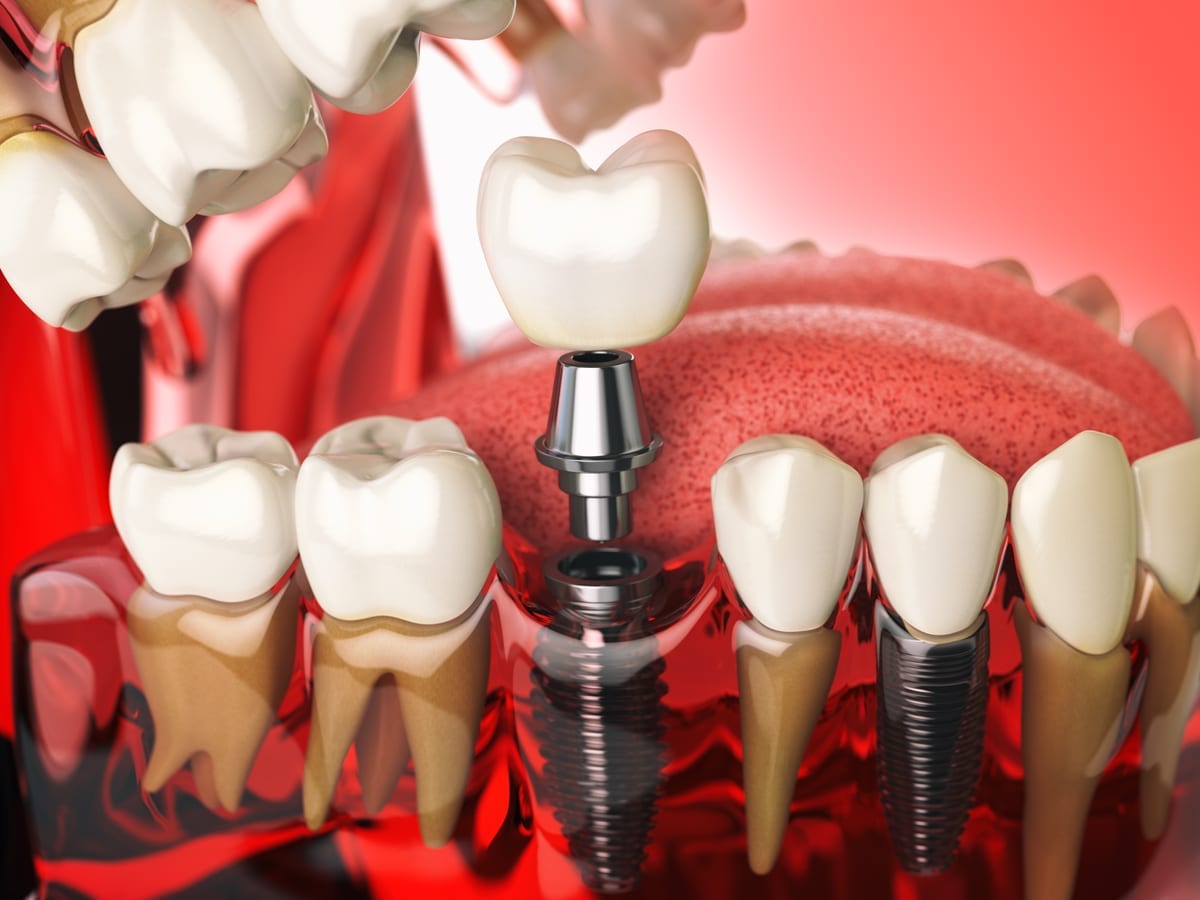
Dental implants are designed to be a permanent tooth replacement solution. The titanium post that fuses with your jawbone can last decades — often 25 years or more with proper care. Many patients keep their implants for a lifetime without any structural issues.
The crown attached to the implant has a shorter average lifespan. Most crowns last 10 to 15 years before needing replacement. Factors like bite force, grinding habits, and daily wear all affect crown longevity.
It’s important to separate the implant post from the restoration on top. The post itself rarely fails when placed correctly. The visible crown is what typically requires attention over time.
Key Factors That Shorten Dental Implant Lifespan in Upland
Not every implant lasts as long as it should. Certain habits and health conditions can significantly reduce how long your implant remains functional. Knowing these risks helps you take action before problems develop.
Here are the most common factors that shorten implant lifespan:
- Smoking or tobacco use — reduces blood flow and impairs healing around the implant
- Poor oral hygiene — allows bacteria to cause peri-implantitis, a serious gum infection
- Uncontrolled diabetes — slows healing and increases infection risk
- Teeth grinding (bruxism) — places excessive pressure on the implant and crown
- Skipping dental checkups — allows small issues to become major complications
- Bone loss — weakens the foundation supporting the implant post
Addressing these risk factors early gives your implant the best chance of lasting a lifetime. Dr. Clifford Young evaluates each patient’s unique health profile before recommending implants.
What Helps Dental Implants Last a Lifetime — Proven Tips
The good news is that most patients can extend implant life significantly with consistent effort. Strong implant outcomes don’t happen by accident — they result from smart daily habits and professional care.
Follow these proven strategies to protect your implants long-term:
- Brush twice daily with a soft-bristled toothbrush around the implant crown
- Floss daily using implant-safe floss or an interdental brush
- Visit your dentist regularly for professional cleanings and implant checks
- Wear a night guard if you grind your teeth during sleep
- Avoid chewing hard objects like ice, pens, or hard candy
- Quit smoking to support healthy gum tissue around the implant
These habits are simple but powerful. Patients in Upland who follow them consistently report excellent long-term implant outcomes.
The Role of Overall Oral Health in Implant Longevity
Dental implants don’t exist in isolation — they depend on the health of surrounding teeth and gums. Untreated gum disease is one of the leading causes of implant failure. Bacteria from infected gums can attack the bone and tissue around your implant.
If you’ve had previous dental problems, that doesn’t automatically disqualify you from implants. Dr. Young takes a comprehensive approach to treatment planning. Addressing issues like decay or infection before placement is essential for lasting results.
For example, some patients need Root Canal Therapy on neighboring teeth before moving forward with an implant. Treating infection in adjacent teeth protects both your natural teeth and your new implant. A healthy oral environment supports implant success from day one.
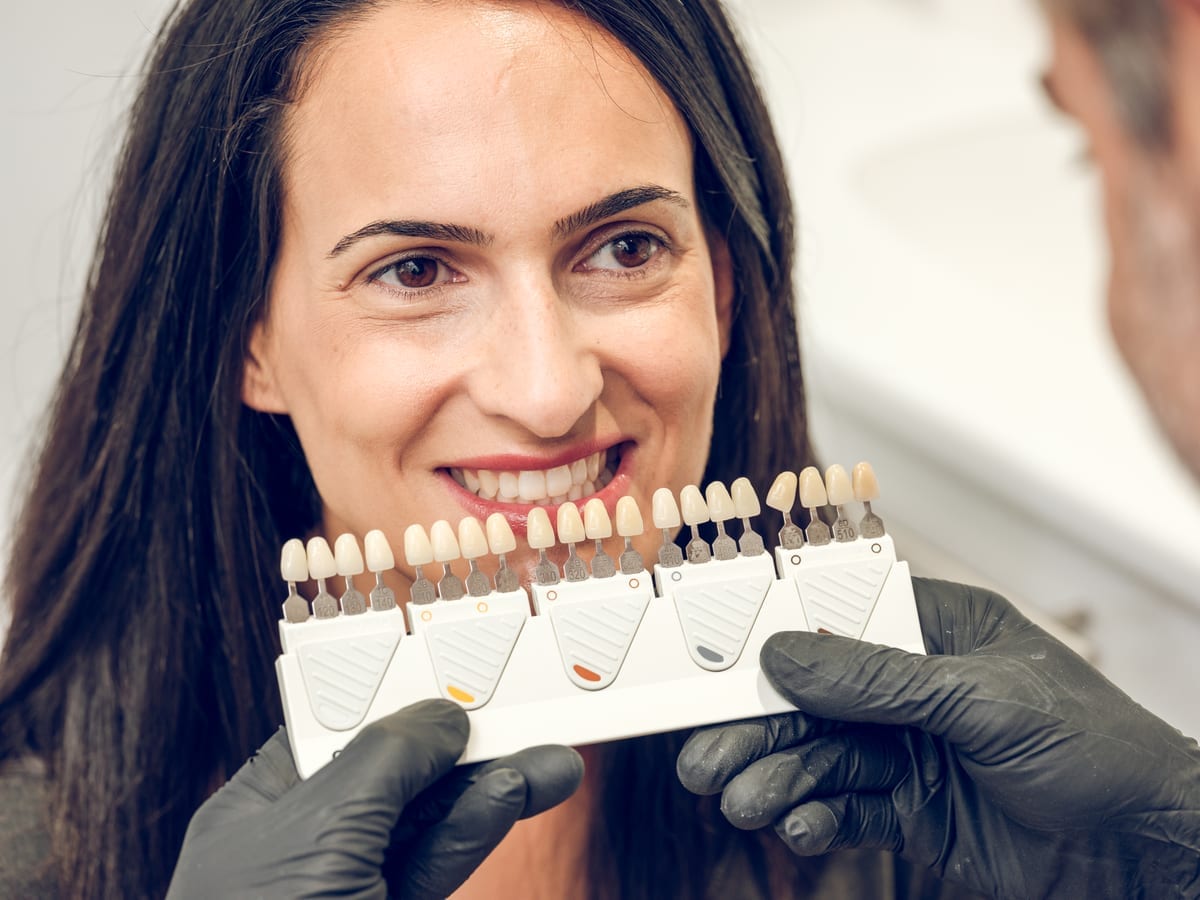
Patients considering cosmetic improvements alongside implants may also explore options like Veneers to create a complete, natural-looking smile. Combining treatments strategically produces the best aesthetic and functional results.
Do Dental Implants Really Last a Lifetime? What Matters Most in Upland
The question — do dental implants really last a lifetime here in Upland — comes down to three things: proper placement, patient health, and ongoing maintenance. When all three align, implants routinely last 20, 30, or even 40 years.
Dr. Clifford Young uses precise surgical techniques and high-quality materials to give every implant the best foundation. But patient commitment to aftercare is equally important. The partnership between dentist and patient is what produces lifetime results.
Upland residents also benefit from regular access to local dental care. Living close to a trusted dentist makes it easier to attend routine checkups and catch problems early. Proximity to quality dental care is a genuine advantage for long-term implant success.
Young Dental Health Center Upland supports patients through every stage — from initial consultation to long-term maintenance. You won’t navigate implant care alone. Our team is here to guide you at every step of the journey.
Frequently Asked Questions
How long do dental implants last on average?
The titanium implant post can last 25 years or longer — often a lifetime — with proper care. The crown attached to the post typically lasts 10 to 15 years before needing replacement. Regular dental visits help extend the life of both components.
What is the most common reason dental implants fail?
Peri-implantitis — a bacterial infection affecting the gum and bone around the implant — is the most common cause of implant failure. Poor oral hygiene and smoking significantly increase this risk. Early detection during routine checkups can prevent most cases from becoming serious.
Can I get dental implants if I have gum disease?
Active gum disease must be treated before implant placement can proceed. Placing an implant in unhealthy tissue increases the risk of failure. Dr. Young will evaluate your gum health and recommend treatment to prepare you for a successful implant.
Do dental implants require special cleaning tools?
Standard brushing and flossing work well for most implant patients. Some patients benefit from interdental brushes or water flossers to clean around the implant crown more effectively. Your dental team will recommend the best tools for your specific situation.
How often should I visit the dentist after getting an implant?
Most implant patients should visit their dentist every six months for professional cleanings and implant evaluations. If you have a history of gum disease or other risk factors, more frequent visits may be recommended. Consistent monitoring is key to catching any changes early.
Ready to find out if dental implants are the right long-term solution for your smile? Book Now to schedule your appointment with our team.