E-mail Us


Dental Implants: What You Need to Know
Dental Implants: A Complete Guide to Restoring Your Smile
Dental Implants are one of the most effective solutions for missing teeth. They look, feel, and function like natural teeth. Many patients find them life-changing for daily comfort and confidence. At Young Dental Health Center Upland, our dental team is committed to helping you understand every option available to you.
What Are Dental Implants?
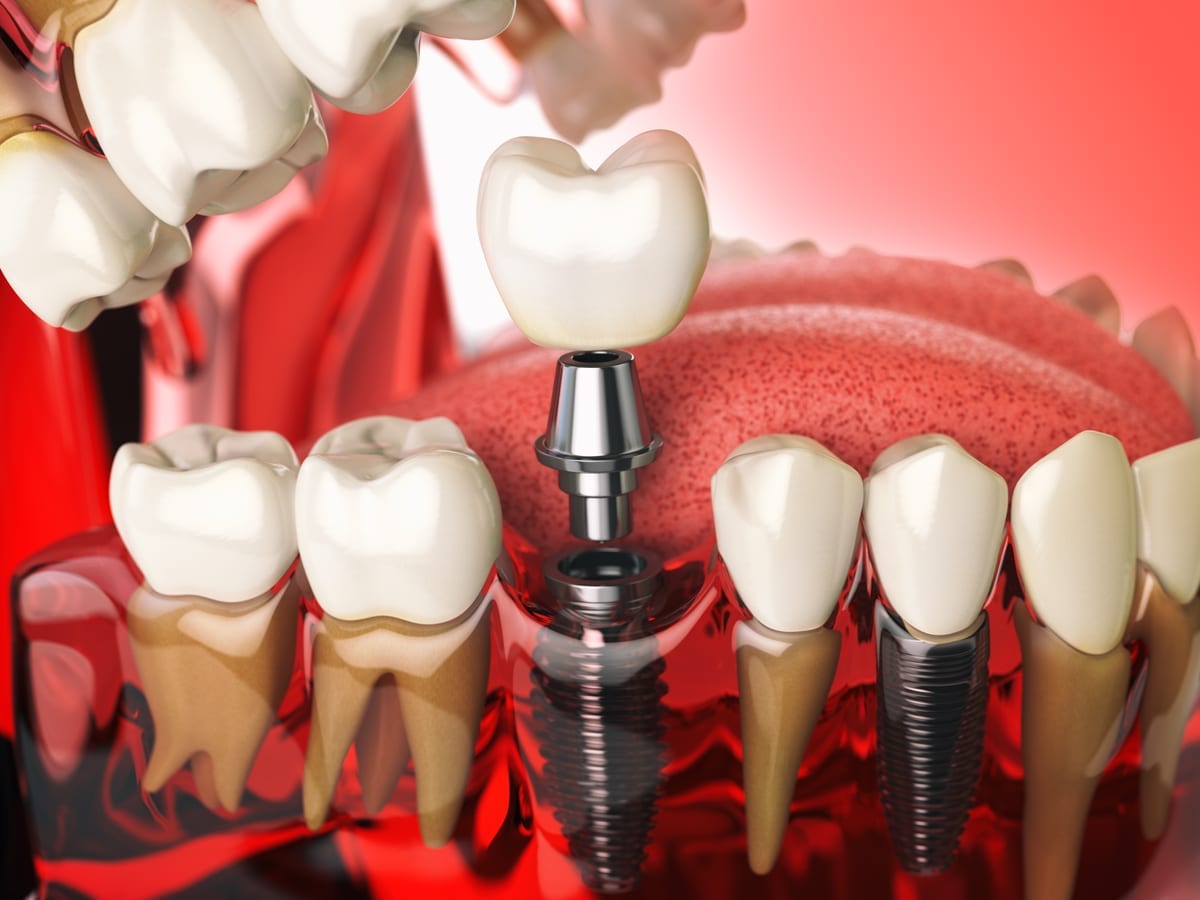
A dental implant is a small titanium post. It is surgically placed into the jawbone beneath the gum line. This post acts as an artificial tooth root. Over time, the bone fuses with the titanium in a process called osseointegration. This creates a stable and durable foundation for a replacement tooth.
Once the implant has bonded with the bone, a connector piece called an abutment is attached. A custom-made crown is then placed on top. The result looks and functions just like a real tooth. Most people cannot tell the difference between an implant and a natural tooth.
Who Is a Good Candidate for Dental Implants?
Not everyone is immediately eligible for implants. Good candidates typically have healthy gums and sufficient jawbone density. Adults who have stopped growing are generally suitable candidates. A thorough evaluation by our dental team helps determine if implants are right for you.
Certain health conditions may affect candidacy. Uncontrolled diabetes or heavy smoking can slow healing. Bone loss in the jaw may require a bone graft before placement. These issues do not always disqualify someone permanently. Many patients become eligible after addressing underlying concerns.
Age is rarely a barrier for adults. However, implants are not recommended for children or teenagers. Their jawbones are still developing. Our team will review your medical history and take X-rays to assess suitability. Contact our office to schedule a consultation and learn if you qualify.
The Dental Implant Placement Process
The process of getting dental implants takes place over several months. Each phase is important for long-term success. Understanding the steps helps patients feel more prepared and less anxious about treatment.
The first step is a detailed examination. Our dental team takes X-rays and reviews your oral health history. A personalized treatment plan is then created. If bone grafting is needed, that procedure happens first and requires healing time before implant placement.
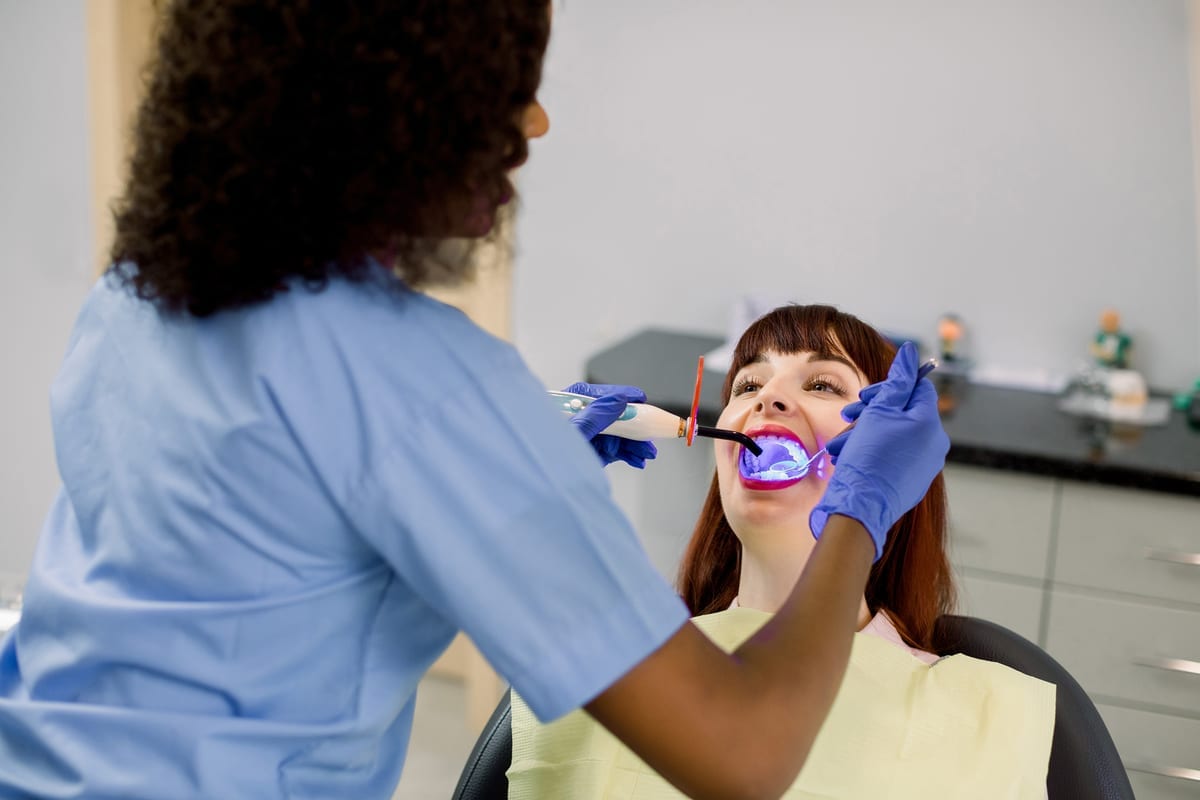
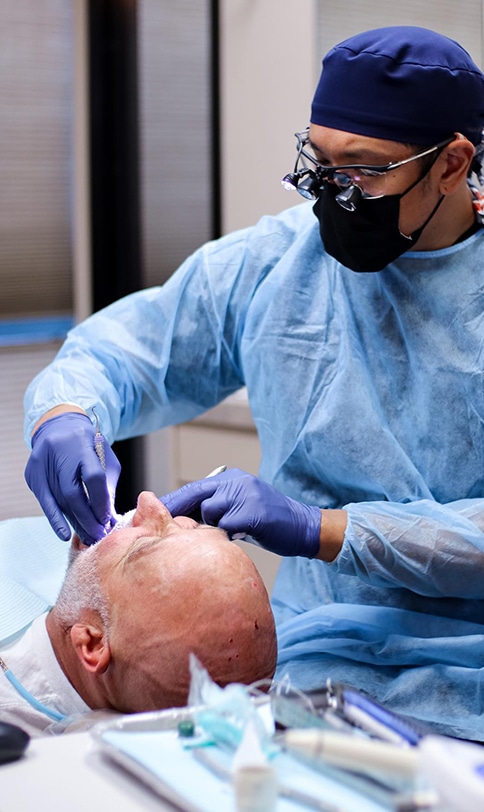
Once ready, the titanium post is surgically placed into the jawbone. Local anesthesia is used to keep you comfortable. After placement, a healing period of three to six months follows. During this time, the implant fuses with the bone. You may wear a temporary restoration during healing to maintain appearance and function.
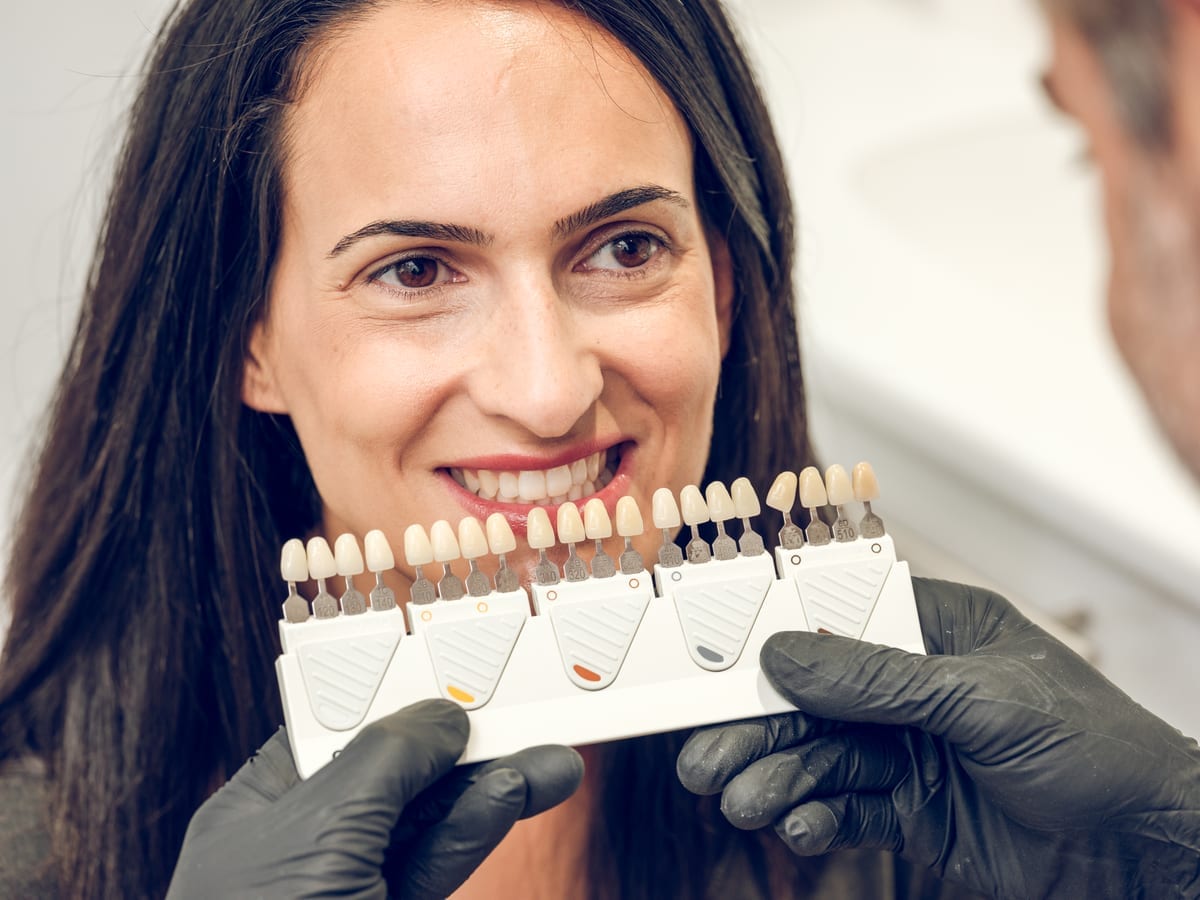
After osseointegration is complete, the abutment and crown are attached. The crown is custom-made to match your surrounding teeth. The final result is a natural-looking, fully functional tooth. Regular checkups help ensure the implant remains healthy long-term.
Benefits of Choosing Dental Implants
Dental Implants offer several advantages over other tooth replacement options. They do not rely on neighboring teeth for support like bridges do. They also do not slip or shift like traditional dentures. This makes eating, speaking, and smiling much more comfortable and natural.
Implants also help preserve jawbone health. When a tooth is lost, the surrounding bone can deteriorate over time. The implant post stimulates the bone, preventing this loss. This helps maintain your facial structure and prevents premature aging around the mouth.
Durability is another major benefit. With proper care, implants can last many years or even a lifetime. They require the same maintenance as natural teeth — brushing, flossing, and regular dental visits. Our team at Young Dental Health Center Upland is here to support your oral health every step of the way. Learn more about our full range of care by visiting our services page.
How to Care for Your Dental Implants
Caring for dental implants is straightforward. Brush your teeth at least twice a day using a soft-bristled toothbrush. Floss daily, paying attention to the area around the implant. Use a non-abrasive toothpaste to avoid scratching the crown surface.
Regular dental checkups are essential. Our team will examine the implant and surrounding gum tissue. Professional cleanings remove plaque and tartar that brushing may miss. Catching problems early helps prevent complications and extends the life of your implant.
Avoid habits that can damage implants. Chewing on hard objects like ice or pens can crack the crown. Smoking can impair healing and increase the risk of implant failure. If you grind your teeth at night, mention it to our team. A custom mouthguard may help protect your investment.
How Dental Implants Compare to Other Options
Dental bridges are a common alternative to implants. A bridge anchors to the teeth on either side of the gap. This requires filing down healthy teeth to support the bridge. Implants preserve neighboring teeth because they stand independently.
Removable dentures replace multiple missing teeth. They are often more affordable upfront. However, they can slip during eating or speaking. Many patients find them uncomfortable over time. Implants offer a fixed, stable solution that dentures cannot always provide.
Mini implants are a smaller version of traditional implants. They are sometimes used when bone density is limited. They can also support smaller restorations. Our dental team will discuss all available options with you. Making an informed decision is always the goal. Visit our about page to learn more about our patient-centered approach to care.
Frequently Asked Questions
How long do dental implants last?
With proper care, dental implants can last a lifetime. The crown on top may need replacement after 10 to 15 years due to normal wear. Maintaining good oral hygiene and attending regular checkups greatly extends the lifespan of your implant.
Is the dental implant procedure painful?
Most patients report that the procedure is more comfortable than expected. Local anesthesia is used during placement to minimize discomfort. Some soreness and swelling are normal after surgery. Over-the-counter pain relievers are usually sufficient for managing post-procedure discomfort.
How long does the entire dental implant process take?
The process typically takes three to nine months from start to finish. The timeline depends on whether bone grafting is needed and how quickly osseointegration occurs. Each patient heals at a different rate, so timelines are personalized to your specific situation.
Can dental implants fail?
Implant failure is rare but can happen. Risk factors include smoking, poor oral hygiene, and certain medical conditions. Signs of a problem include persistent pain, swelling, or implant movement. Contacting your dental team promptly at the first sign of trouble can help address issues early.
Are dental implants suitable for replacing multiple teeth?
Yes, implants can replace one tooth, several teeth, or support a full arch of teeth. Implant-supported bridges or dentures use multiple implants as anchors. This provides a stable and comfortable solution for patients with significant tooth loss. Our team will recommend the best approach for your individual needs.